Looking for China Wholesale Suppliers Beyond Alibaba?
You only know Alibaba
Alibaba is a fine start, but not the best route for every order. A stock test, a repeat order and a custom product each fit a different channel.
Lists give names, not differences
A “top 10 sites” list doesn’t say who can pay, who speaks English or who ships abroad. You need the buying terms, not just the names.
You can’t tell a factory from a trader
Factories and trading companies sell side by side on most sites. A photo or a “we are the factory” line doesn’t settle it. Ask for proof.
How Does China Wholesale Buying Work?
China wholesale buying works by ordering goods in bulk from a factory or trading company, through a B2B platform, a domestic wholesale site, a physical market or an agent. Among China wholesale websites, an Alibaba alternative is only useful if its buying process fits your order and your shipping plan.
Start with quantity and the work the product needs. Buying stock is a different job from changing a material, adding a branded box or making a mold. Ask what is in stock, what can change and how the seller counts its MOQ.
Language and payment shape the rest. An English site doesn’t mean the supplier reads your technical drawing correctly. Seeing a 1688 listing doesn’t mean your account can pay for it.
Then decide where the goods change hands, and who handles pickup, checks, consolidation and export. Note what you still don’t know before you compare costs. The same supplier can appear on several channels, so check for duplicates.
Export B2B platforms
Ask factories for quotes on your spec.
Domestic wholesale sites
Buy in China, then arrange export.
Retail purchase
Buy listed stock, often one unit.
Physical markets
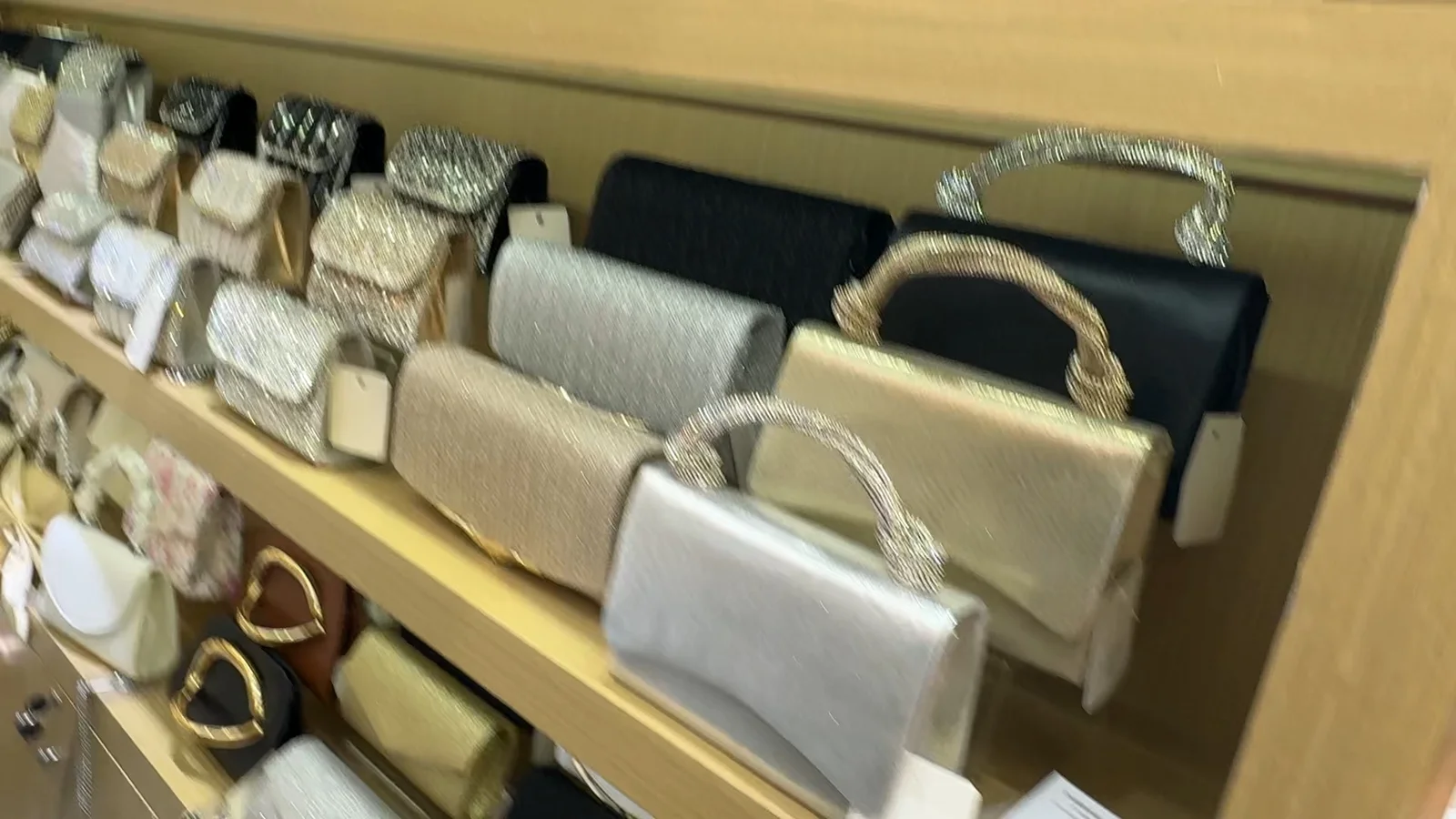
See and handle stock in person.
Sourcing agents
Hand off tasks, keep the decisions.
Alibaba Alternatives: Made-in-China, Global Sources and More
Made-in-China.com
Made-in-China.com is a B2B platform that connects global buyers with Chinese suppliers. It offers sourcing requests, supplier profiles and access to audit reports. Use it for production enquiries. Read each audit report for its company, date and scope. An audit covers the factory on that date, not your future batch.
Made-in-China.com: supplier discovery and sourcing services →Global Sources
Global Sources is a sourcing platform that links online search with trade shows and business matching. It suits buyers who want to meet suppliers at a show, then follow up online. Save the exhibitor or listing details with each reply. A booth at a show is not proof a supplier fits your product.
Global Sources: online and offline sourcing description →DHgate
DHgate is a cross-border marketplace where Chinese sellers list stock items in small lots, often with a checkout price. It suits small stock orders more than custom production. Each seller sets its own quantity and shipping terms. Check DHgate’s current buyer protection and return rules before you order.
HKTDC Sourcing
HKTDC Sourcing is the Hong Kong Trade Development Council’s supplier directory, with product search, RFQ and messaging tools. Use it to find candidates and keep each enquiry on file. A directory contact still needs a written offer. Confirm payment and shipping with the supplier directly.
HKTDC Sourcing: products, suppliers and RFQ tools →China Wholesale Websites and Channels Compared
China wholesale websites and channels differ on five points: who they serve, language, MOQ, payment and logistics. MOQ here means how each seller sets its minimum, not one fixed number. Confirm payment and shipping for your own account, destination and order.
| Channel | Best for | Language | MOQ | Payment | Logistics |
|---|---|---|---|---|---|
| Alibaba.com | Export B2B; quotes and custom work | English | Set by each supplier, often in tiers | Inside the Alibaba.com order | Agree the trade term and named place |
| 1688 | Buyers inside China | Chinese | Set by each seller, often in tiers | RMB; some overseas routes via WorldFirst | Seller ships in China; you arrange export |
| Made-in-China.com | B2B production enquiries | English | Ask each supplier | Agree with the supplier | Confirm what the supplier ships |
| Global Sources | Online search plus trade shows | English | Ask each candidate | Agree with the supplier | Confirm with the seller you sign with |
| HKTDC Sourcing | Supplier directory with RFQ | English | Ask the supplier | Agree with the supplier | The directory doesn’t ship goods |
| Retail: AliExpress, DHgate | Small stock orders | English and other languages | Often one unit or a small lot | Pay at the site’s checkout | Parcel to your door; check return terms |
| Physical markets | Stock and mixed categories | Chinese; bring help | Per item and per seller | Agree with the seller; get a receipt | Plan pickup, consolidation and export |
| Trading company | Mixed or smaller orders across categories | Often English | Negotiated per order | Agree with the company you sign with | Ask who sources, checks and ships |
A trading company can combine several product types and smaller batches into one order. To tell one from a factory, read trading company vs factory. For buying inside China, see how to buy from 1688.
Reaching Factories in China Through Each Channel
To reach factories in China, send the same RFQ through each channel where you found them. Use the same brief version, quantity and questions. Save the listing, reply, date and contact for each one.
Ask each business what it makes itself, what it buys in and what it subcontracts for your item. A channel finds leads. A self-description doesn’t prove who they are. Compare the replies and settle any mismatch before you order samples. Follow how to find suppliers in China to turn leads into a shortlist.
Physical Wholesale Markets in China
Physical wholesale markets in China suit buyers who want to see stock in person, compare many items or buy small mixed lots. Note the seller, variant, quantity and stock level. Goods on display are not reserved for you. You still need a written order and a plan to receive the goods.
Custom work is limited at most stalls. A display shows what is for sale, not who makes it or whether molds exist. If you can’t go yourself, tell your agent what to inspect, photograph and confirm.
For Yiwu, a huge small-commodities market, read the Yiwu market guide. For buying stock online instead, compare Alibaba vs AliExpress.
Huaqiangbei Electronics Market
Huaqiangbei in Shenzhen is a large electronics trading area, with markets for components, accessories and consumer devices. It suits buyers who need a specific part or stock electronics in small numbers. Write down the exact model, condition and seller before you compare. For custom electronics, you still need a factory with engineering and documents.
Shenzhen Government: Huaqiangbei electronics markets →Which Channels We Actually Use When Sourcing in China
At ASG, the channels we actually use include 1688, Taobao, Yiwu Market, Alibaba and Made-in-China. We also compare factory options against the product brief. We pick the channel by product type, not by habit.
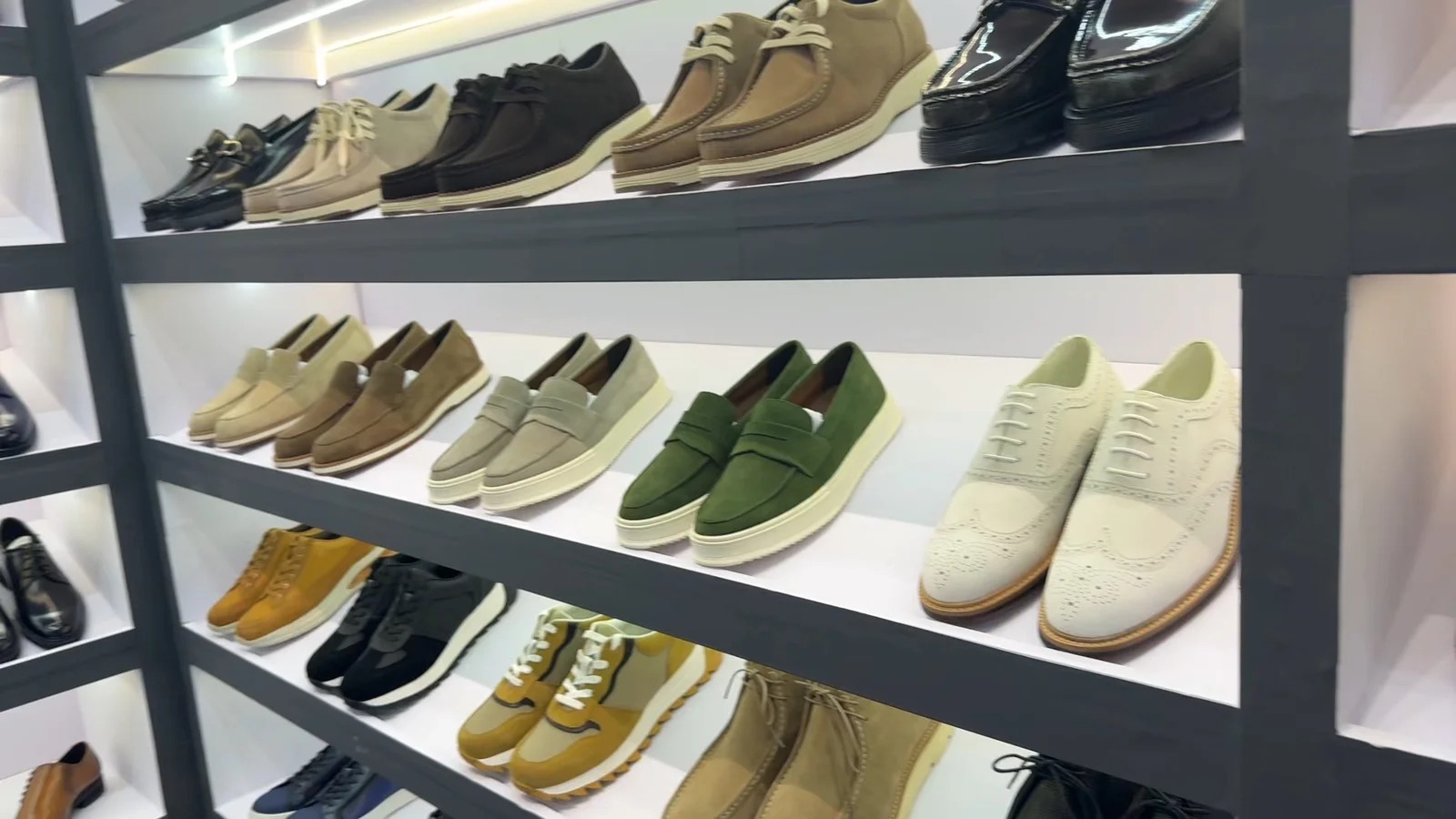
For stock items, we often start with domestic sites and markets. For custom work, we go to factories that run the right process. Either way, we start from the brief. We note who sends samples, who explains changes and who ships next.
We keep the brief version and each supplier reply together, so anyone can see why a channel was chosen. ASG coordinates supplier communication and warehouse checks in Shenzhen and Dongguan.
Pick the Right Channel for Your Order
To pick the right channel for your order, answer four questions: what product, what quantity, who does the work, and why this route. First, do you need stock or a custom change? For custom work, look for suppliers who can explain the process and make samples. For stock, compare the exact variant, quantity and restock plan.
Next, who handles the language, the payment and the local pickup? Budget for all the work, not just the listing price. If several suppliers or cities are involved, decide who coordinates. That is the point to consider when to use a sourcing agent.
- Product: Stock item or a custom change?
- Quantity: Which variants and batch sizes can you take?
- Work: Who handles language, payment and handoffs?
- Record: Write down the route, why it fits and what is open.
When You Need a Factory, Not a Wholesaler
You need a factory, not a wholesaler, when you change a design, add your brand or need a new mold. Ask which steps the supplier runs itself and which it buys in. Ask how your spec carries into the sample and the bulk order.
A wholesaler can make small changes or work with a factory for you. That still doesn’t tell you who owns the mold or the design. Settle that in writing before you approve. Compare OEM or ODM factory to choose how the product gets developed.
How to Buy Wholesale from China in 5 Steps
To buy wholesale from China, follow these five steps in order. Nothing you tick here is saved or sent.
Write down the product, quantity, variants, custom changes, destination and timing. Note which languages you can handle. Don’t pick a channel from a headline price.
Use the decision steps below to find routes that fit your order. Write down why each one fits, and which payment, inspection and shipping questions are still open.
Save each listing, contact and date with its channel. Check whether two listings are the same business before you count them twice. A platform badge doesn’t prove a factory.
Send one brief version and quantity to every candidate. Ask for currency, MOQ, packaging, sample terms, delivery scope and open points. Save each original reply.
Confirm which company signs and what evidence backs its role. Settle any mismatch before you choose who sends samples. Keep the sample and your pass criteria together.
0 of 5 review topics marked. Local notes only.
Questions About Buying Wholesale from China
Can I buy wholesale from China?
Yes. Businesses and individuals buy wholesale from China every day, through B2B sites, domestic sites, markets and agents. Each supplier sets its own MOQ and terms. Start with your quantity and any custom work, then confirm the payment route and shipping plan before you order.
Where can I find wholesale Chinese products?
You can find wholesale Chinese products on B2B sites such as Alibaba.com and Made-in-China.com, on 1688, in markets such as Yiwu and through sourcing agents. Stock items, custom products and mixed orders each fit a different channel. Compare listings on the same spec, not on similar photos.
Where can I find wholesale Chinese suppliers?
You can find wholesale Chinese suppliers in B2B directories such as Alibaba.com, Global Sources and HKTDC, at trade shows, in physical markets or through an agent. Send each candidate the same RFQ and ask whether it is a factory or a trader. Check the evidence before you order samples.
Is DHgate or Alibaba better?
Neither is better for every order. DHgate suits small lots of stock items at a checkout price. Alibaba.com suits bulk orders, custom work and private label, with written quotes and Trade Assurance. Pick by order size and custom needs, then check the seller. Compare the channels →