
Finding a Supplier Is Easy. Finding the Right One Is Not.
Hundreds of results, no shortlist
A search returns hundreds of suppliers. Without a clear brief, you have no way to rule anyone out. More names won’t fix a missing spec.
Every quote answers a different question
One quote uses another material, another quantity tier or no box. Until every supplier prices the same brief, the numbers can’t be compared.
You can’t tell claims from proof
“We are the factory” is easy to type. A photo or report can belong to another company or site. Note what each document really covers.
How Do I Find a Manufacturer for My Product?
To find a manufacturer for your product, start with a written brief, not a search. Search two or three channels, send the same RFQ and save each reply. Then shortlist on evidence: what each supplier proved, what is still open and what the sample must show.
First decide what you are buying. Is it an existing branded product, or your own spec? A branded product needs an authorised distributor. A private-label or custom product needs clear terms on design, process, rights, samples and production.
A product link shows your starting point, but a factory can’t build from a link. Write down the material, sizes, function, finish, packaging and variants you need. Mark which parts are just a reference and which are must-haves. Don’t copy a branded design without permission.
Then use the RFQ to learn who can meet the brief. A manufacturer, a trading company and a sourcing service each play a different role. Ask who runs production and who checks quality.
One spec, one reference, one use.
The same RFQ and each original reply.
Proof, gaps and the next step.
Prepare a Comparable Product Brief
A product brief is a short written spec that every supplier prices against. Turn your link, sample or idea into one before you ask anyone for a quote. State the units and the quantity basis. Keep the product and its packaging separate. For optional features, say whether to include them or quote them as an extra.
Write Unknown for anything you don’t know yet. An unclear material or size is a question to answer, not a gap for the supplier to fill. Ask each supplier to state any assumption, and approve it yourself.
When the brief changes, give it a new version number. Tell the suppliers who need to quote again. Keep the old quotes, but don’t compare them with quotes on the new version.
| Field | What to write | Question to settle |
|---|---|---|
| Spec version | Give it a number and attach the files | Which version does this quote answer? |
| Material / finish | The grade you need and how you’ll check it | What is required, optional or an alternative? |
| Sizes and units | Measured sizes and tolerances | Which unit and measuring method apply? |
| Packaging | Unit box, retail box and carton | Which materials and artwork are included? |
| Quantity / variants | Quantity per colour or size | Is the MOQ per order, per colour or per size? |
| Target market / use | Where you sell it and how it’s used | Which product rules or documents apply? |
| Open questions | Each point you still need answered | Who answers it, and what decision does it affect? |
Choose Channels for Your Product
The main channels for finding Chinese suppliers are B2B marketplaces, trade fair and industry directories, import trade data and direct contact or referrals. Pick the ones that fit your product. A marketplace shows many offers. A trade fair directory narrows the field to one product category. Note where and when you found each lead.
Trade-data tools such as ImportYeti show past shipments between companies, within the data they hold. ImportYeti explains that its datasets have gaps and missing fields. A shipment record doesn’t prove who owns a factory, its current capacity or its quality. A missing record doesn’t prove a company never ships.
Two or three channels give you a manageable list. To choose a channel, compare 1688 vs Alibaba and China wholesale websites. A platform badge is a lead to check, not an approval.
| Channel | Where you find it | What to check | Why use it |
|---|---|---|---|
| B2B marketplace | Supplier profile and listing | Who signs the order, and who makes it? | Shows many offers fast |
| Trade fair / industry directory | Exhibitor or member entry | Is the company still active in this category? | Narrows to one product type |
| Import trade data | Dataset record and date range | What does the dataset not cover? | Shows who shipped to whom |
| Direct contact / referral | Official website, named introduction | Is there independent proof of the work? | Comes with context from someone you know |
Send the Same RFQ and Check Identity Mismatches
An RFQ (request for quotation) is a written request that asks suppliers to price your exact brief. Send every candidate the same RFQ version and quantity. Ask for changes, exclusions and open points. Save each original reply, with its date and files, next to your summary.
If a reply assumes a different spec, clarify it before you compare. File revised replies under the version they answer. See what to put in an RFQ for how to structure one.
| RFQ version | Reply on file | Unanswered | To check |
|---|---|---|---|
| Version 1 | Supplier’s original reply, saved with its date | List each point they didn’t answer | Any name or role that doesn’t match |
| Version 2 (revised) | The new reply and its date | What is still open | Who needs to clarify it |
Check that the names match. If the quote, the company name, your contact and the bank account point to different companies, note the gap and hold payment. Ask which company signs, which site makes the goods and who can give instructions. Next, verify a supplier's business license. For Alibaba.com checks, read how to check if an Alibaba supplier is legit.
Read Capability Evidence in Context
Read every capability document against the part of your brief it should answer. Check the company name, site address, date, process covered and the page that supports the claim. A real report about a different address or process still leaves your question open.
A social audit checks working conditions, not product quality. Sedex says SMETA reviews workplace social and environmental practice and is not a certificate or a pass/fail result. For amfori BSCI, ask for the audit record for the exact site and read its scope and follow-up. WRAP certifies facilities for social compliance and says its logo is not a product-quality claim.
Note each report’s dates, status and any corrective actions. Don’t assume one validity period fits every scheme. Confirm the report covers the work on your product. You will still need samples, product tests and batch inspection. Keep the production role clear when you compare OEM vs ODM.
| Claim | Ask for | Evidence | Watch for |
|---|---|---|---|
| Material / process | What the supplier says it uses | Process sheet, photos, test report | Same site and process as your order? |
| Production capacity | Monthly output and lead time | Line list or production plan | Is any work subcontracted? |
| Social audit (SMETA, BSCI, WRAP) | Scheme name and site | Report, date, scope pages | Not proof of product quality |
| Product / market rules | Which tests apply | Lab report on your model and material | Who is responsible for compliance? |
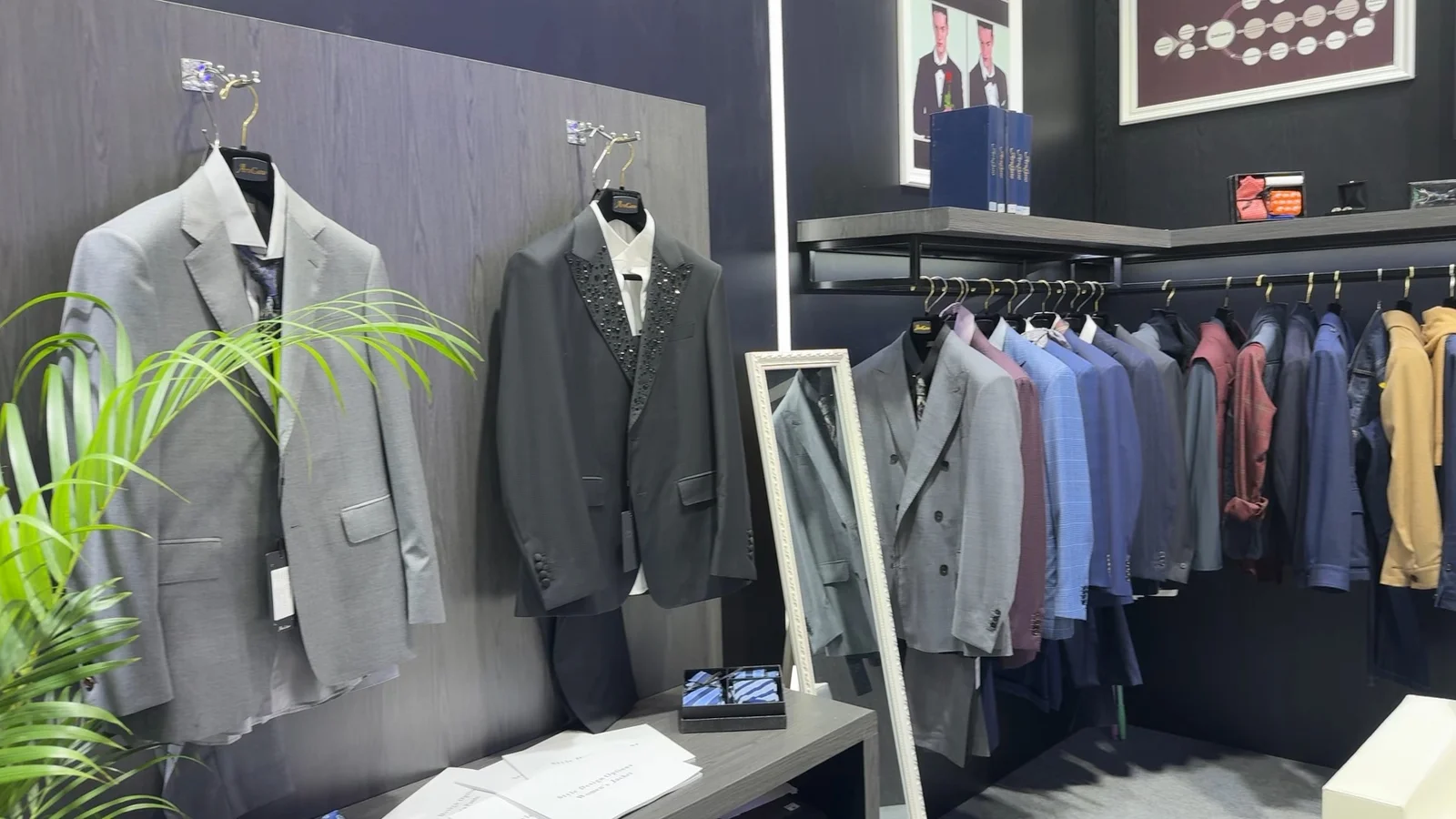
How We Shortlist Suppliers in China
At ASG we shortlist suppliers against the product brief. For each product, we compare three factory options. Each option comes with the factory name, any past audit history and its production capacity. Then we compare samples side by side.
Every option is tied to the brief version it answers and the questions still open. We record where each capacity figure came from, which site would make the goods and which sample we tested. We also mark which facts we checked and which are still the supplier’s word.
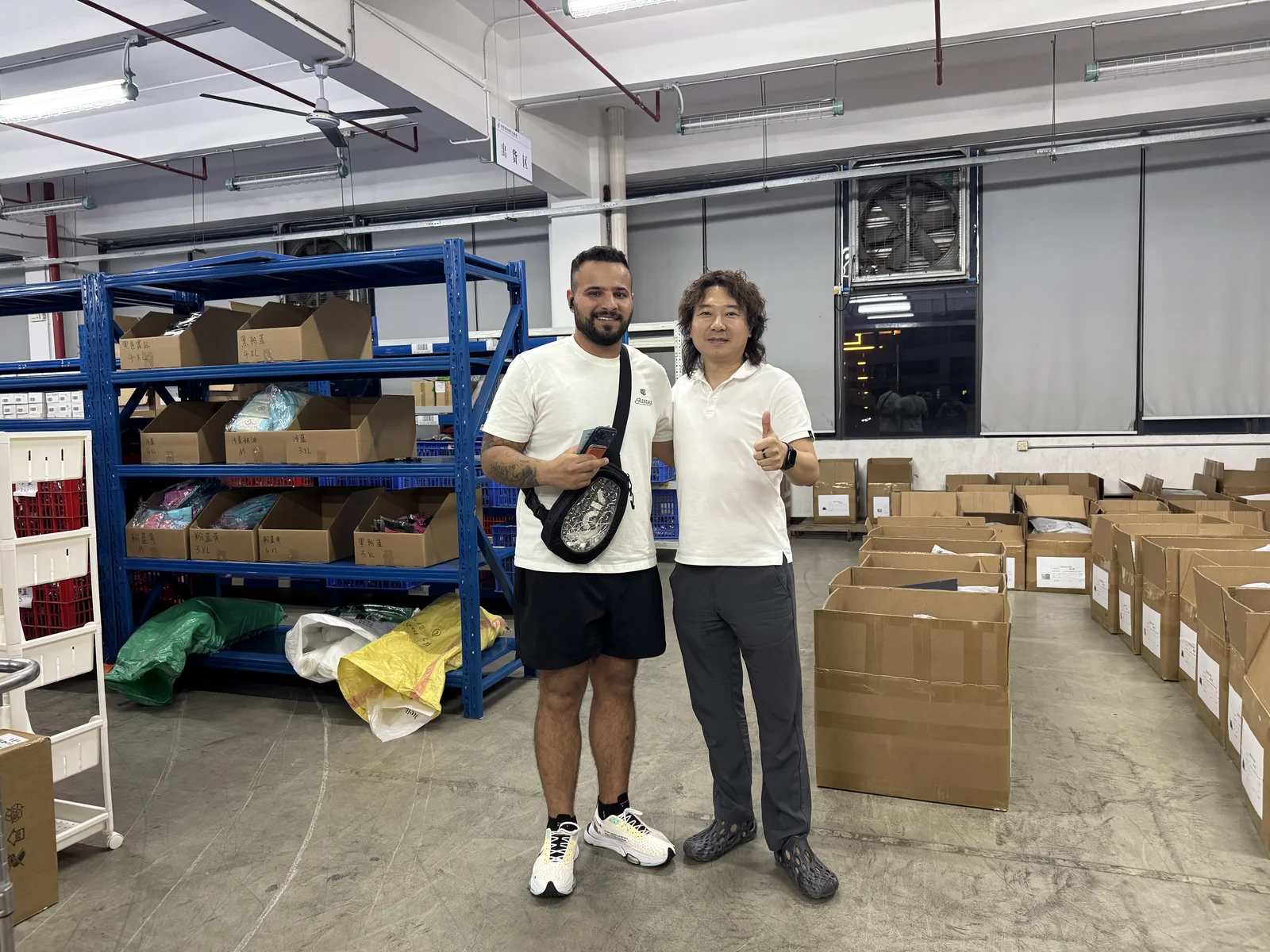
For a new factory, the first QC stage is our Supplier Audit. It is followed by Production Monitor, Warehouse Check and Pre-Dispatch. ASG coordinates supplier communication and warehouse checks in Shenzhen and Dongguan.

Compare Quotations and Build an Evidence-Based Shortlist
To compare quotations from Chinese suppliers, line them up on the same spec version, currency, unit, MOQ and included work. If you convert currency, note the rate and date. List packaging, samples, inspection and freight on their own lines, so a missing cost doesn’t look free.
Then build a candidate record. Split what each supplier has proven from what it has only claimed. Write down the key differences and the reason for your next step.
Each candidate gets one of three results: ask again, order a sample or pause. You don’t need a weighted score to pick a winner. Once you approve a supplier, carry the agreed version and terms into a purchase order template.
| Candidate | Proven | Not yet proven | Key differences | Next step |
|---|---|---|---|---|
| Candidate A | Ask / sample / pause | |||
| Candidate B | Ask / sample / pause | |||
| Candidate C | Ask / sample / pause |
When to Get Help Instead of Searching Alone
Get outside help when you can’t do a key task yourself: write to suppliers in Chinese, visit a factory, check a physical sample or follow production. Decide which tasks and which evidence you need before you pick anyone.
A local partner doesn’t take over your job of defining the product and approving the order. Agree who signs, what they can decide, what records they keep and how they hand over. You can keep some tasks and hand off others. Read when to use a China sourcing agent to compare what agents really offer.
Your Supplier Search Checklist
Use these five steps to find a supplier in China, from brief to shortlist. Nothing you tick here is saved or sent.
List the material, sizes, function, variants, packaging, quantity range and target market. Give the brief a version number. Mark anything you don’t know yet as Unknown.
Choose channels that fit your product, such as a B2B marketplace, a trade fair directory or trade data. Note where and when you found each lead.
Use the same brief version and quantity for everyone. Ask each supplier to list changes, exclusions and open questions. Save every original reply next to your notes.
Note who signs the order, who makes the goods and what each report covers. Keep any mismatch open until it is answered. A social audit is not a product-quality check.
For each candidate, list what is proven, what is not and what comes next: ask again, order a sample or pause. Decide what the sample must prove.
0 of 5 review topics marked. Local notes only.
Questions About Finding Suppliers
Where can I find suppliers for products?
You can find suppliers on B2B marketplaces such as Alibaba.com and 1688, in trade fair and industry directories, through import trade data and by referral. Pick two or three channels that fit your product, then send each lead the same RFQ. A listing is a lead, not proof of a real factory.
How do people get suppliers?
People get suppliers by turning a product idea into a written brief, contacting several candidates with the same request and comparing the replies. They keep the spec version, open questions and sample needs together. The result is a shortlist with a next step for each candidate, not an instant order.
How much do suppliers cost?
Finding a supplier can cost nothing, but each order has several costs. You pay for the goods, plus any development, molds, samples, packaging, testing, inspection and freight. A sourcing agent adds a fee. Ask what each quote includes and mark missing costs as Unknown, not zero.
How do I get a product idea manufactured?
Turn the idea into a written brief, find factories that run the right process, then order a prototype or sample. Separate reference images from the sizes, materials, function and packaging you need. Settle any design rights first. Decide what the sample must prove before you pay for production. Start with the product brief →