Why Finding a Private Label Supplier Takes Longer Than Expected
Search results list US companies, not Chinese factories
Most “private label supplier” lists name US brands and resellers. Finding the factory in China that makes the goods needs other channels.
Private label, white label and OEM blur together
Each supplier uses the words a little differently. One means a logo on stock goods, another a new product. Ask what will actually change.
The packaging MOQ is higher than the product MOQ
For example, the factory takes 300 units, but the printed box needs 1,000. Ask for every minimum before you plan your first order.
What Is a Private Label Supplier?
A private label supplier is a business that makes or supplies products you sell under your own brand. A private label manufacturer is the factory that does the production. Some suppliers are trading companies that place the work with a factory. The product can be an existing item with your logo, an item with a few changes, or a new design.
Your brand on the box does not make you the owner of the product design. If you want to own the design, the molds or the artwork, write that into the contract. If you want exclusivity, write down which product, which markets and for how long.
White label usually means a stock product that the factory sells to many brands, with only your label or box changed. Private label often goes further, with changes to material, color or features made for you. OEM describes the factory work: it builds to a design you supply.
One factory can offer all three, so ask each supplier what already exists, what will change and who does the work.
Your logo, artwork and where it is placed.
The production, design and packaging work.
Private Label vs White Label vs OEM
Private label, white label and OEM differ on four points: who owns the brand and design, how much you can customize, how high the MOQ is and which stage they suit. White label is the fastest way to test. Private label lets you stand out. OEM gives you a product built to your own design.
These labels overlap. A private label product can be made under an OEM deal, for example. Use the table to ask each supplier the same questions. For a deeper comparison of manufacturing models, read ODM vs OEM.
| Point | Private label | White label | OEM |
|---|---|---|---|
| Brand and design rights | Your brand; design rights only if the contract says so | Your brand; the factory keeps the design, and other brands sell it too | Your brand; you can own the design if the contract says so |
| Customization | Changes to material, color, features or packaging | Label and packaging only | Built fully to your spec |
| MOQ | Medium; changes and printed packaging add minimums | Lowest; often from stock | Highest; molds and setup push it up |
| Best stage | Building a brand that stands out | Testing demand fast | A product you want to own |
Where to Find Private Label Suppliers in China
You can find private label suppliers in China through four channels: B2B platforms, manufacturing clusters, trade fairs and sourcing agents. Each finds contacts, but none approves a supplier for you. Send every candidate the same brief, so you can compare their answers.
On B2B platforms such as Alibaba.com and 1688, search by product and filter for manufacturers. Manufacturing clusters are cities that specialize in one product type, so you can visit several factories in a day. At relevant trade fairs, you may meet exhibitors face to face and see samples. A sourcing agent searches, visits and reports for you.
Use how to find suppliers in China to build and check your shortlist.
B2B platforms
Search listings and message suppliers. Keep the listing and the reply.
Manufacturing clusters
Visit the city that makes your product and see several factories.
Trade fairs
Meet exhibitors and handle samples. Follow up with your written brief.
Sourcing agents
An agent searches, visits and reports. Set the scope in writing.
Branding, Packaging and Labels: What the Supplier Should Handle
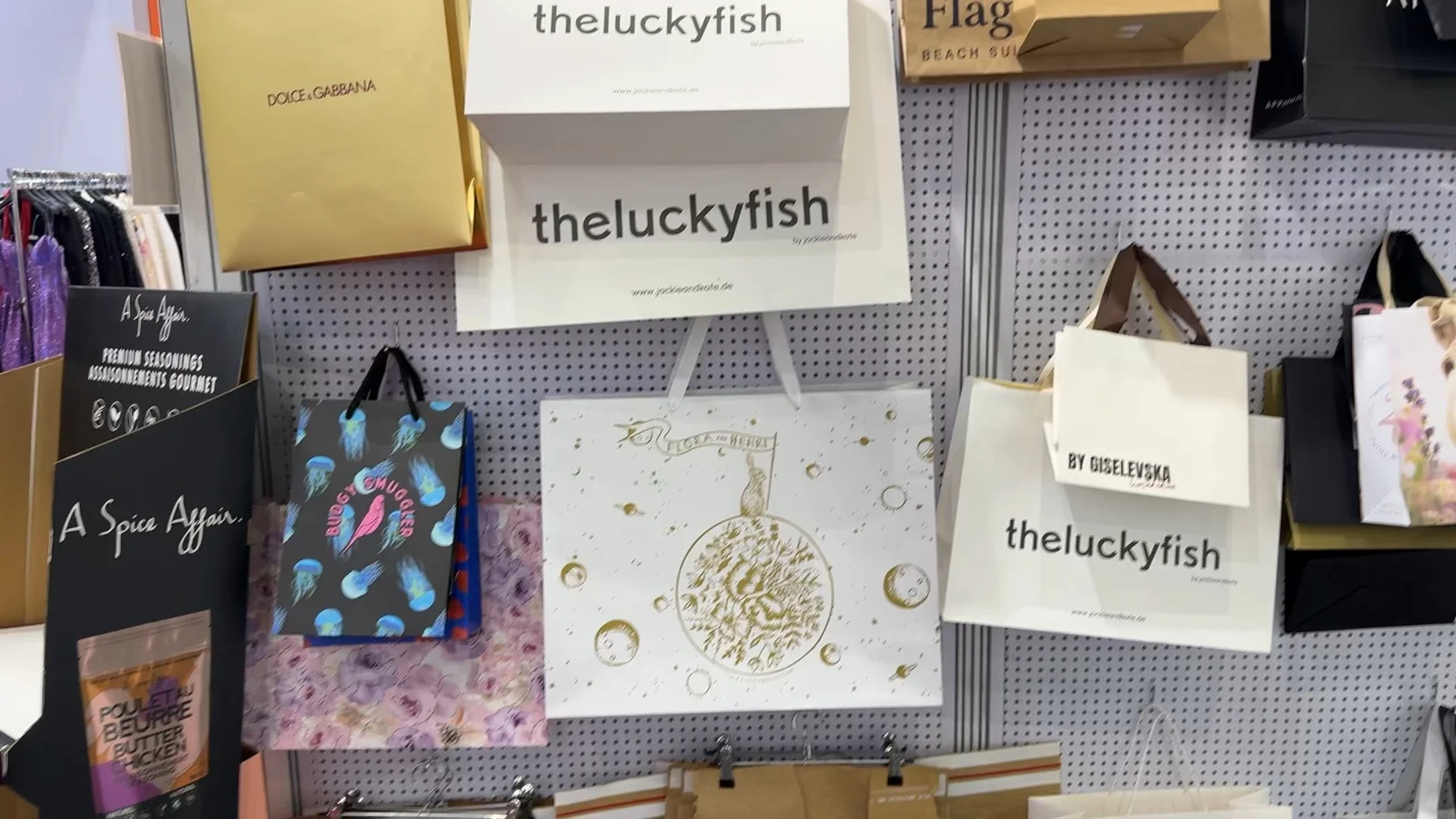
Before you order, agree who designs, buys, prints and applies each piece of branding and packaging. That covers your logo on the product, the retail box or bag, the labels and the instructions. The product factory doesn’t always do all of it. Printed boxes often come from a separate packaging maker.
For each piece, send the artwork, the size, the material and where it goes. Give each file a version number. Approve one printed sample before the full print run.
Use the tech pack template to keep product and packaging specs in one place. Labels must meet the rules of the market you sell in. Check those rules yourself, and don’t rely on the factory’s general certificates.
| Item | Agree who | Files to send |
|---|---|---|
| Logo on the product | Who prints or engraves it, and who approves | Logo file, colors, size, position and method |
| Box, bag or unit pack | Who designs, buys and packs it | Size, material, artwork and an approved sample |
| Labels and barcodes | Who writes the content, prints and applies them | Your market’s label rules, artwork and position |
| Instructions and inserts | Who writes, checks, prints and packs them | Final text, language, format and version |
| Final packing | Factory or warehouse, and who signs off | Packing instruction, quantities and approved sample |
MOQ for Private Label Orders
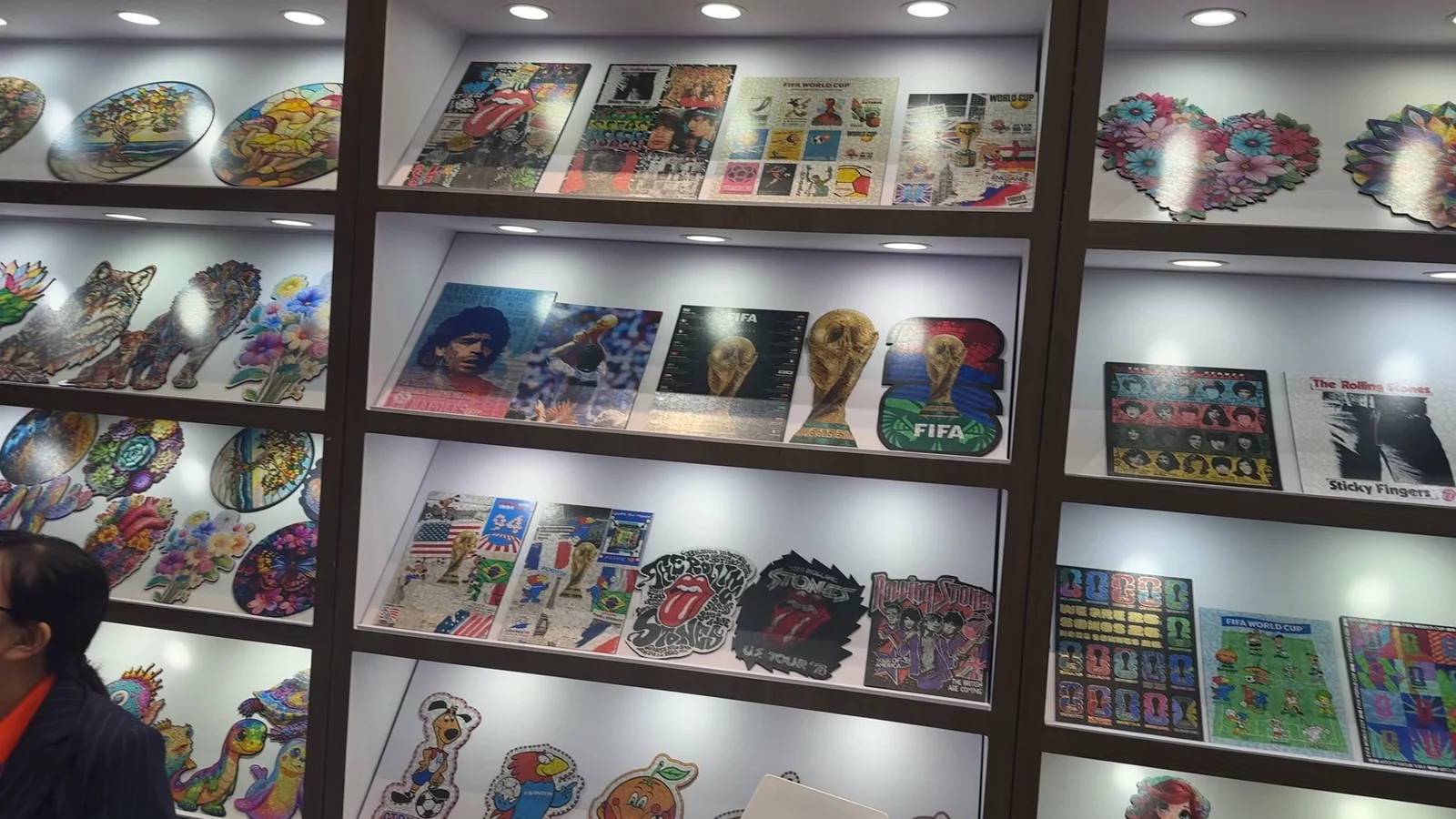
A private label order has two sets of MOQs: one for the product and one for each piece of branded packaging. The product minimum may fit your budget, while a printed box or label run needs far more. Plan your first order around the highest minimum, or find a way around it.
Two trades often work for a first test. Use stock or plain packaging with a printed sticker or label, so you skip the box print run. And combine colors or sizes, so the product shares one material and setup. Approve a sample of each option.
Ask who pays for and stores any packaging left over. Read MOQ for branded orders before you agree the total order.
How ASG Supports Custom Products and Packaging
At ASG, we support custom products and packaging in three steps: product selection or development, artwork and sample approval, then branded packing in our warehouses. Our packaging work covers custom boxes and bags, labels, and inserts and instruction sheets.
We keep the approved product sample and the approved packaging version together as the goods move from the factory into our Shenzhen and Dongguan warehouses. There, our team packs, kits and labels the goods to a written packing instruction. When a kit combines a product, accessories and an insert, the instruction shows how they go together. Any gap is photographed and reported.
Before dispatch, our Pre-Dispatch check confirms the packaging is intact and the labels are right. ASG coordinates supplier communication, order checks and shipping handoffs.

How to Vet a Private Label Supplier Before the First Order
To vet a private label supplier, check four things before the first order: sample-to-bulk consistency, the packaging sample, the label content and the inspection plan. Start by asking who makes the product and who prints the packaging.
Compare the product sample with your spec, and note every gap. A good sample doesn’t prove the bulk order will match, so ask how the factory keeps the same material and process. Then check the packaging sample: fit, print position and colors.
Check every label against the rules for your market, and ask for test reports where your product needs them. Agree the inspection before you pay the balance. For the full plan, read quality inspection.
ASG: Warehouse Check and Pre-Dispatch scope →When to Get Help with Private Label Sourcing
Get outside help with private label sourcing when your team can’t cover the language, the factory visits or the work of keeping product and packaging suppliers in step. An agent can search, visit factories, chase samples and coordinate the printers. Set the scope first. Decide what the agent reports and what it may approve or pay for you. See China sourcing agent services for what an agent can take on. You still review the product and the terms yourself.
Launch a Private Label Product in 5 Steps
Launch a private label product in these five steps. Tick each one as you go.
Decide whether you want your brand on an existing product, or changes to the product itself. List the changes, the market you sell in and any exclusivity you need.
Search platforms, factory clusters and trade fairs. Send each candidate the same brief. Ask who makes, prints and packs the product.
Check the product sample against your spec, and the packaging sample against your artwork. Note every gap. Approve one version of each in writing.
Get the MOQ for the product, each color, the printed box, the labels and the inserts, each on its own line. Ask who stores any packaging left over.
Check the goods, the labels and the packing against the approved samples. Pay the balance and release the shipment only after they pass.
0 of 5 review topics marked. These are local notes, not a supplier approval or payment instruction.
Questions About Private Label Suppliers
What is a private label?
A private label is a product made by one company and sold under another company’s brand. You pick the product, add your brand and packaging, and sell it as your own. The factory makes it. Your brand on the box does not make you the design owner unless the contract says so.
How does private label work?
You choose a product, find a factory, and agree the changes, branding and packaging. The factory sends samples. You approve one product sample and one packaging sample in writing. The factory then makes the bulk order, you inspect it, and it ships to you or your warehouse.
What does it mean to be a private label manufacturer?
It means the factory makes products that other businesses sell under their own brands. A private label manufacturer may also print packaging and apply labels, or hand that work to other suppliers. Ask which steps it does in-house before you compare quotes.
Who are white label manufacturers?
White label manufacturers are factories that make one standard product and let many brands sell it. Each buyer changes only the label or packaging. The same item may appear under several brands. Compare private label, white label and OEM →