
What an HTS Code Is and What the Digits Mean
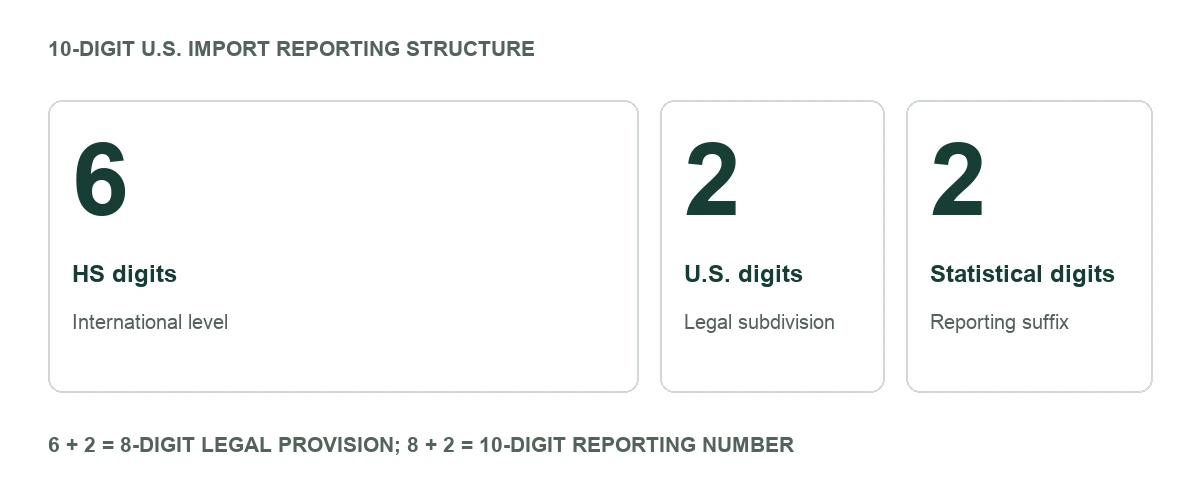
An HTS code is a number in the Harmonized Tariff Schedule of the United States, the list U.S. Customs uses to classify every import. A full HTS number has 10 digits, read in four layers.
Digits 1–2: chapter. Chapter 61, for example, covers knitted clothing. Digits 3–4: heading. 6109 means T-shirts and vests. Digits 5–6: HS subheading. 6109.10 means “of cotton.” These first six digits are the international Harmonized System, shared by more than 200 countries.
Digits 7–8: U.S. subheading. This is the legal line where the duty rate sits. Digits 9–10: statistical suffix. It sorts goods for U.S. trade data, such as men’s versus women’s. If a 10-digit row shows no rate, it takes the rate from the 8-digit line above it. A blank does not mean duty-free.
Chapters 1 to 97 follow the HS. Chapters 98 and 99 are U.S.-only. Chapter 99 holds temporary measures, including the extra tariffs on many goods from China.
HS Code vs HTS Code vs Schedule B
HS, HTS and Schedule B share the same first six digits but do different jobs. The HS is the global six-digit framework run by the World Customs Organization. The HTS adds four U.S. digits for imports and duty. Schedule B adds four different digits for U.S. exports.
So match the code to the direction of trade. Bringing goods into the U.S.? Use the HTS. Shipping goods out of the U.S.? Use Schedule B from the Census Bureau. When a supplier sends you a code, write down which country and system it comes from.
| Name | Digits | Use | Maintainer | Official entry |
|---|---|---|---|---|
| HS | 6 | Global goods framework | World Customs Organization | The base of both; see USITC: HTS structure and duty columns → |
| HTS (U.S.) | 8 legal / 10 reporting | U.S. imports and duty | USITC publishes; CBP enforces | Search USITC current HTS → |
| Schedule B | 10 | U.S. export statistics | U.S. Census Bureau | Census: Schedule B for exports → |
How to Find the HTS Code for Your Product
To find the HTS code for your product, you work from facts to heading to subheading, using six fixed rules. Those rules are the General Rules of Interpretation (GRI). They are part of the legal text, and you apply them in order. For goods classed by use, also check the Additional U.S. Rules of Interpretation that follow them in the HTS.
Write the complete product description
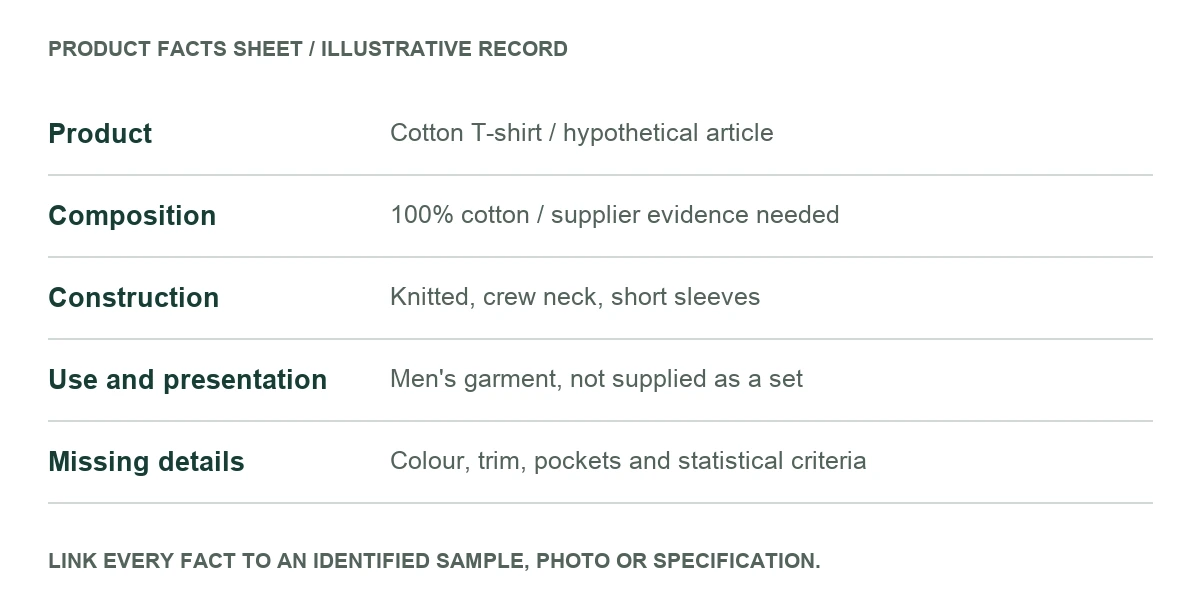
List what it is made of, with percentages, what it does, how it is built and what comes in the box. Tie each fact to a sample or spec sheet. Note anything you don’t know yet.
Search the current USITC schedule
Open hts.usitc.gov and note the edition shown. Search your product terms, then browse the chapter list. A keyword hit only tells you where to look. Read the heading above it before you trust it.
Read the legal wording and notes
Compare your facts with the heading text and the section and chapter notes. Apply the General Rules of Interpretation in order. Follow the indents down to the subheading. Never pick a line just because its rate is lowest.
Record the candidate and its basis
Write down the code, the wording that fits, the source link, the edition and the date. Keep facts, guesses and open questions in separate fields. If the last two digits depend on a fact you lack, leave them open.
Get a ruling or a broker when you’re unsure
Search CBP CROSS for rulings on similar goods, and check each ruling’s facts and date. A licensed customs broker can review your file. For certainty, ask CBP for a binding ruling before you ship.
| Rule | What it tells you |
|---|---|
| GRI 1 | Classify by the heading text and the section and chapter notes. Titles are only a guide. |
| GRI 2 | Unfinished, unassembled or mixed goods can fall under the heading for the finished article or main material. |
| GRI 3 | If two headings fit, pick the most specific one. If that fails, use the part that gives the essential character. If still tied, take the heading that comes last. |
| GRI 4 | Goods that fit nowhere go under the heading for the most similar goods. |
| GRI 5 | Cases and normal packing usually go with the goods inside. |
| GRI 6 | Repeat the same logic at each subheading level, comparing only lines of the same level. |
- Material
- Composition and proof
- Use
- What it does and who uses it
- Candidate code
- Code under review, not yet confirmed
- Basis
- Legal text, notes and product facts
- Confidence / open questions
- Your own notes, in plain words
- Reviewer
- Name, date or ruling number
Worked Example: Classifying a Cotton T-Shirt
Here is how to classify a cotton T-shirt, step by step. Take a men’s T-shirt: 100% cotton, knitted, crew neck, short sleeves, sold on its own. Knitted clothing points to Chapter 61. The T-shirt shape points to heading 6109. The cotton fibre points to subheading 6109.10.
On 20 October 2026, the USITC lookup in 2026 HTS Revision 21 showed 6109.10.00 as the cotton line. Below it sat several statistical suffixes. Picking one needs more facts: check colour, trim, pockets and the other suffix details against the real garment.
Stop at the level your evidence supports. Don’t choose the last two digits just because a row says “men’s.” Read every parent line above it first. This is a teaching path, not a ruling for your shipment.
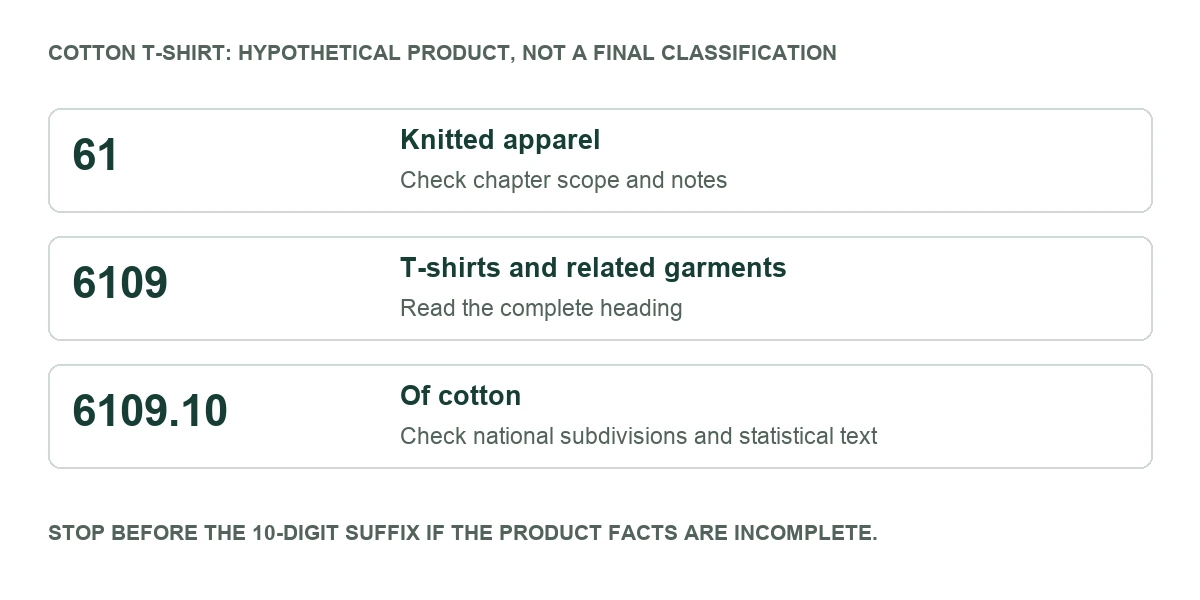
| Step | Candidate / decision | Basis to examine | Edition / checked |
|---|---|---|---|
| 1 | Chapter 61 | Knitted clothing. Read the chapter notes and scope. | 2026 HTS Revision 21 · 20 Oct 2026 |
| 2 | 6109 | T-shirt shape. Read the whole heading and its exclusions. | 2026 HTS Revision 21 · 20 Oct 2026 |
| 3 | 6109.10 / 6109.10.00 | Cotton line shown in the USITC lookup. | 2026 HTS Revision 21 · 20 Oct 2026 |
| 4 | 10-digit suffix still open | Needs the full statistical details and product facts. | 2026 HTS Revision 21 · 20 Oct 2026 |
When Material Alone Points to the Wrong Chapter
Material alone can send you to the wrong chapter, because function and build also decide the heading. Take a double-wall, vacuum-insulated steel bottle. “Made of steel” suggests a steel chapter. But the vacuum layer, lid, size and use all point to other headings you must test. Record those facts, then search CBP CROSS for rulings on similar bottles. Read each ruling’s facts before you lean on it. We give no heading here on purpose.
CBP CROSS rulings →How to Read the Duty Rate in the HTS
The HTS shows the duty rate in three columns: General, Special and Column 2. General is the normal rate for most countries, including China. Special lists lower rates under trade programmes, shown as codes such as “A” or “AU,” and you must qualify and claim them. Column 2 covers only the few countries listed in General Note 3(b).
An ad valorem tariff is a percentage of the customs value, such as a share of the price you paid. A specific rate charges a fixed amount per unit, such as cents per kilogram. A compound rate uses both. Copy the whole rate text and its unit, not only the number.
The General rate is only the base layer for goods from China. Extra tariffs are added on top. Rates change, so read the live row on the day you price the order. Carry the confirmed rate into the CBP Form 7501 entry summary.
 View full-size official extract →
| HTS provision | General | Calculation basis | Edition / checked |
|---|---|---|---|
| 6109.10.00 · Example only | Read the live USITC row | Ad valorem (a percentage). Extra tariffs not included. | 2026 HTS Revision 21 · 20 Oct 2026 |
Additional Tariffs on Goods from China
Goods from China often pay extra tariffs on top of the HTS rate. They can come from Section 301, Section 232 and other actions, all listed in Chapter 99. First fix your candidate code and origin. Then check each list, any exclusion and the start dates. Use USTR Section 301 actions → and CBP trade remedies →, checked 20 October 2026. Related reading: how to check the Section 301 tariff list. We give no single rate, because it varies by code and date.
Common HTS Classification Mistakes
The most common HTS mistakes come from shortcuts: copying the supplier’s code, picking by product name, or ignoring sets. Each one skips a fact that decides the heading. If the material, build or packaging changes, redo the check, even when the product name stays the same.
Keep the supplier’s original code in your file, labelled with its country. Keep the headings you ruled out and why. For a set, list each part and how it is packed before you apply GRI 3. A wrong code can change the duty you pay and lead to questions from CBP.
| Mistake | Possible effect | Check |
|---|---|---|
| Copying the supplier’s export code | Wrong U.S. digits or suffix. | Note the country and system. Check the U.S. text. |
| Choosing by catalogue name | Key material, use or build left out. | Tie the description to the specs and sample. |
| Ignoring sets or mixed items | The code fits one part, not the whole. | List the parts and packing. Apply GRI 3. |
| Copying a rate without its date | Old or partial duty in your costing. | Record edition, origin, date and each extra tariff. |
Get the Product Facts from Your Supplier First
Get the product facts from your supplier while the sample is still in China. Ask for material percentages, drawings, sizes, a parts list and clear photos of key features. Label each reply with the product name and version.
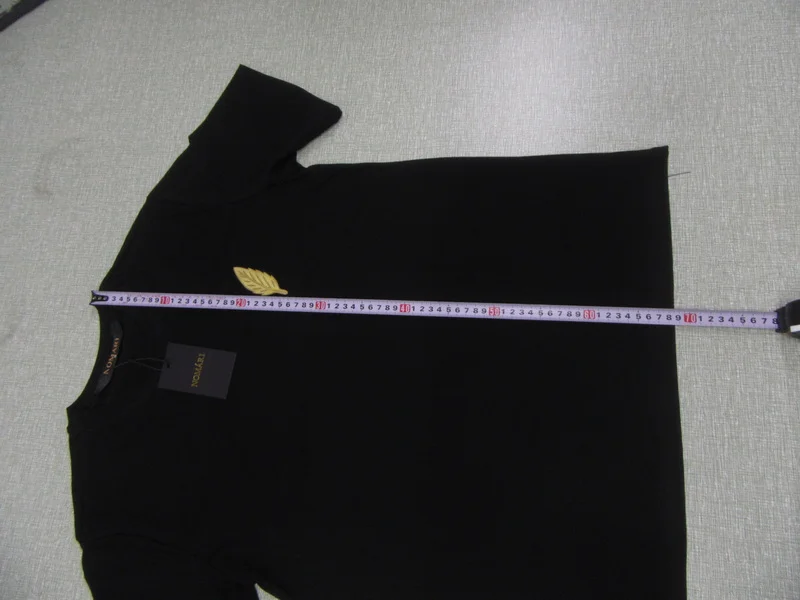
At ASG we measure the sample and photograph its labels and parts in our Shenzhen and Dongguan warehouses. Keep the factory’s material sheet with your own order records. That way your broker sees facts, not guesses.
On the commercial invoice, write a plain description that matches the real goods. Keep your candidate code marked “under review” until it is confirmed. Then make the invoice and entry match. The commercial invoice fields shows which fields to fill.
Download the HTS Classification Worksheet
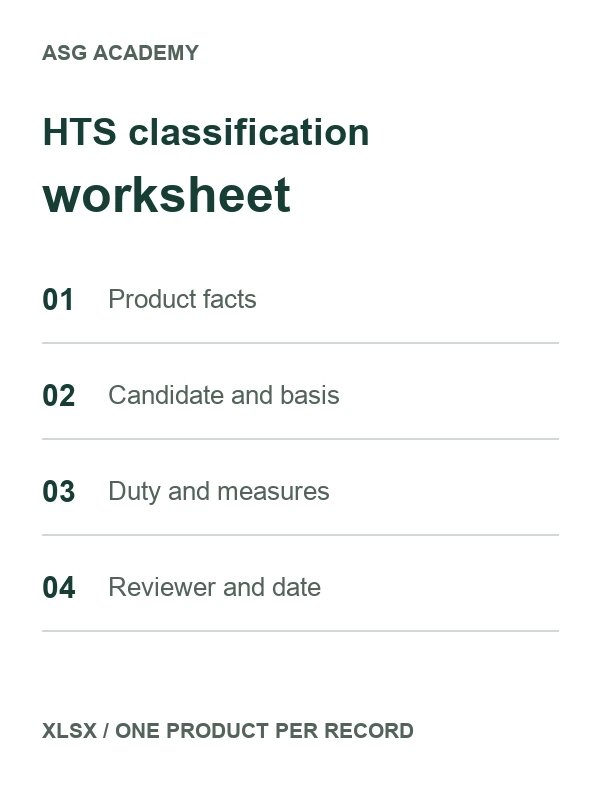
The HTS classification worksheet keeps one product on one sheet. It runs from description to chapter, candidate code, legal basis, base rate, extra tariffs and the date checked. Open questions stay apart from the confirmed code, so nothing gets declared by accident.
Questions About HTS Codes
What are the key differences between Schedule B numbers and HTS codes?
HTS codes are for U.S. imports; Schedule B numbers are for U.S. exports. Both start with the same six HS digits. The HTS is published by USITC and sets duty. Schedule B comes from the Census Bureau and is used for export statistics. Pick the system by direction of trade. Census: Schedule B for exports →
What is the format of a 12-digit HS code?
A 12-digit code is a national extension, not a global standard. The shared HS stops at six digits. Countries add their own digits after that, and the U.S. uses 10 for imports. Ask which country a 12-digit code belongs to before you match it to a U.S. number. USITC: HTS structure and duty columns →
How can I check the tariff code for a product?
Search the current USITC HTS at hts.usitc.gov using your product’s material, use and build. Then read the full heading and the chapter notes, not just the keyword hit. Record the code and why it fits. If you’re unsure, check CBP rulings or ask a customs broker. USITC: classification rules, notes and assistance →
What are the U.S. tariff schedules?
The U.S. tariff schedule is the Harmonized Tariff Schedule of the United States (HTS). It lists every import category, its duty rate and its statistical number. USITC publishes it and CBP enforces it. It is updated several times a year, so always use the current edition. USITC current HTS →
How do I find out what my HS tariff code is?
You find your code by matching full product facts to the tariff text, one level at a time. For a U.S. import, follow the five steps on this page in the current HTS. Your supplier’s export code is a starting point, but its last digits may differ. USITC: HTS structure and duty columns →
Where can I find a list of tariff items?
The full U.S. list of tariff items is the USITC HTS at hts.usitc.gov. You can browse it by chapter or search it, and download each chapter. For U.S. exports, use the Census Schedule B search. Note the edition and date of any extract you save. USITC current HTS →
What happens to Chinese import volumes when duty is put on one HS code but not the next?
No one can say from the code alone. Goods must still be classed by their real facts, not moved to a cheaper neighbour code. Studying trade shifts needs the codes, dates, volumes and other causes side by side.