Choosing a Manufacturing Model Without Losing Your Design
Your “new” design shows up in other stores
An ODM design is often sold to many buyers. Unless you agree exclusivity in writing, the factory can sell the same item to your competitors.
You paid for the mold but can’t take it
A paid invoice does not always mean you own the mold. Write down who owns it, where it is kept and how you can move it.
Every factory quotes something different
A photo and a target price leave too much open. Send one written spec, so each factory prices the same product.
What Is the Difference Between ODM and OEM?
The difference between ODM and OEM is who makes the design. OEM stands for original equipment manufacturer. An OEM factory builds your product to your design and your spec. ODM stands for original design manufacturer. An ODM manufacturer brings its own design, and you pick it, change some details and put your brand on it.
ODM is often faster and cheaper to start, because the design and the molds may already exist. The catch is that other buyers can order the same product. OEM takes more work up front. You need a clear spec, and you often pay for new molds. In return, you get a product that is yours.
Private label is selling a product under your own brand. Most private label goods start as an existing factory item with your logo, label and box. Private label does not give you the rights to the product design. It is about the brand, and it can sit on top of an OEM or an ODM deal.
Words vary by industry. The ILO’s garment guide, for example, splits factory work into assembly only, production to the buyer’s design, and full design and production. Use the labels to start the talk. Then write down who does each job: design, materials, molds, samples and packing.
OEM
Your design → factory makes itYou own the design work. The factory builds to your spec.
ODM
Factory design → your changesThe factory brings the design. You choose and adjust it.
Private label
Existing product → your brandYour brand goes on a product. Design rights are a separate question.
OEM vs ODM vs Private Label Compared
OEM, ODM and private label differ on five points: design, molds, MOQ, lead time and IP. Use the table to ask each factory the same questions. Then compare their written answers, not the label they use.
| Point | OEM | ODM | Private label |
|---|---|---|---|
| Design | You supply the design and spec. | The factory supplies the design. You request changes. | The factory’s existing product, with your brand. |
| Molds and setup | You often pay for new molds. | Molds often exist. Changes can add a fee. | Usually no molds. Printed labels and boxes can have setup costs. |
| MOQ | Often higher, set by the mold, materials and process. | Often lower, since production already runs. | Often the lowest. Labels and boxes may have their own MOQ. |
| Lead time | Longest. Drawings, molds, trials and samples come first. | Shorter. Design changes and samples come first. | Shortest. Artwork and packaging approval come first. |
| IP and exclusivity | You can own the design if the contract says so. | The factory keeps its design unless you agree otherwise. | You own your brand, not the product design. |
Want to sell your own brand without a new design? See how to find a private label supplier.
Who Owns the Design and the Mold
Design and mold ownership must be written into your contract or order, because paying for a mold does not prove you own it. Treat three things as separate: the design files, the physical mold and your right to use them. Write down which drawings each side supplies and which new files the factory will hand over.
For the mold, record its ID number, where it is kept and who owns it. Agree who pays for storage and repairs. Agree what happens if you move to another factory. Can you take the mold, or a copy of the files?
For tooling time, write down when the mold work starts, how many trial rounds are planned and when you approve the first sample. Log every change and its effect on the schedule. If the factory offers exclusivity, write down what it covers: which product, which markets and for how long.
This is not legal advice. Have a lawyer check any right you plan to enforce.
- Design files
- What each side supplies, what is new and which files you receive.
- Mold record
- Mold ID, location, owner, storage and repairs.
- Exclusivity
- Which product, which markets, how long, and any exceptions.
- Factory change
- Whether you can take the mold or copies of the files.
What Is NRE Cost?
NRE cost is a one-time fee for engineering work, such as drawings, prototypes or mold design, billed apart from the unit price. NRE stands for non-recurring engineering. Ask which tasks the fee covers and whether the mold is included. Also ask what a later design change would cost. Read more in NRE cost and tooling fees explained.
Texas Instruments: non-recurring engineering terminology →What to Send an OEM Factory
An OEM factory needs four things from you: a tech pack, a sample or reference, packaging details and your target price and quantity. A tech pack is the written spec for your product. It lists sizes, materials, functions, colors and quality checks. Give every drawing and file a version number, so the factory knows which one it is quoting.
Add your packaging and label needs, your order quantity and where the goods will be sold. Share a target price as a starting point, with the currency and what it should include. Ask the factory to list any changes it suggests and anything it still needs from you.
Use the tech pack template to build your spec. Keep each factory’s reply next to the version you sent.
MOQ and Cost Differences Between OEM and ODM
OEM usually has a higher MOQ and a higher start-up cost than ODM. New molds, trial runs, custom materials and line setup all push the minimum up. The factory needs a big enough order to cover that work.
ODM usually starts lower, because the design and molds already exist. But each change you ask for can add cost. A new material, color, size or box can bring its own minimum order. So ODM is not always cheaper.
Ask the factory what sets the minimum. Is it the mold, the raw material or the production run? Ask for the setup cost and the unit price as two separate lines. Then compare offers for the same spec, and read MOQ for custom products.
How We See OEM and ODM Projects Run in China
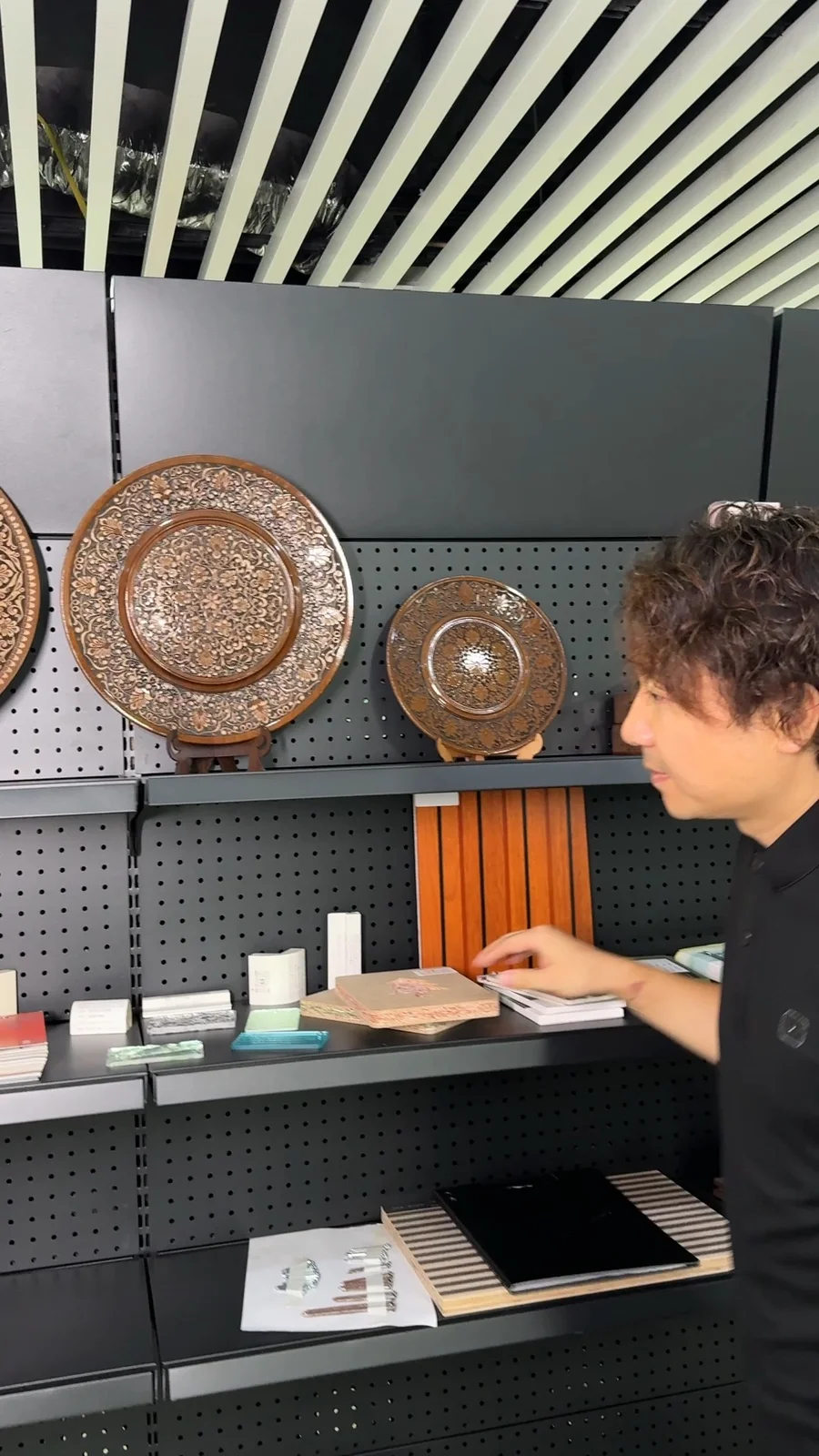
At ASG, we run OEM and ODM projects in four steps: spec, prototype, tooling and production. For custom packaging, we also design branded boxes, labels, inserts and instruction sheets.
The step that matters most is the first sample. We keep the drawing or artwork version, the material list and the approval note together. When you ask for a change, we record what changed and which sample should show it. Packaging artwork gets a version number too, so the warehouse team can check bulk goods against the approved box.
Bulk goods then pass our four QC stages: Supplier Audit, Production Monitor, Warehouse Check and Pre-Dispatch. ASG coordinates supplier communication, order checks and shipping handoffs from warehouses in Shenzhen and Dongguan.

Which Model Fits Your Stage
First-order test
If you just want to test demand, start with ODM or private label. You use a product that already exists, so the cost and the wait stay low. Order a sample, add your brand and see if it sells. Remember that other sellers may carry the same item. Ask about exclusivity before you count on it.
Product differentiation
If you need a different fit, function or material, you need real design work. Choose OEM if you can write a full spec. Choose ODM if you want the factory to adapt its design for you. Either way, agree in writing who owns the new design and what each change will cost.
Repeatable production at scale
At scale, the model matters less than control. Keep one approved spec, one approved sample and a log of every change. Agree how the factory will tell you about a material or process change. Make sure you can reach the molds and files if you ever need to move production.
Whatever model you pick, inspect against your spec before you pay the balance.
CMT and Other Production Arrangements
CMT means cut, make and trim, a common setup in clothing production. The factory cuts the fabric, sews the garment and adds the trims. You supply the design, the patterns and often the fabric. That is a smaller job than OEM or ODM, where the factory may also buy materials or design the product. If you sell clothing, ask who controls the patterns, sizes, fabric and trims. Also ask who approves the sample, and whether any work goes to a subcontractor.
ATC manufacturer: cut, make and trim production →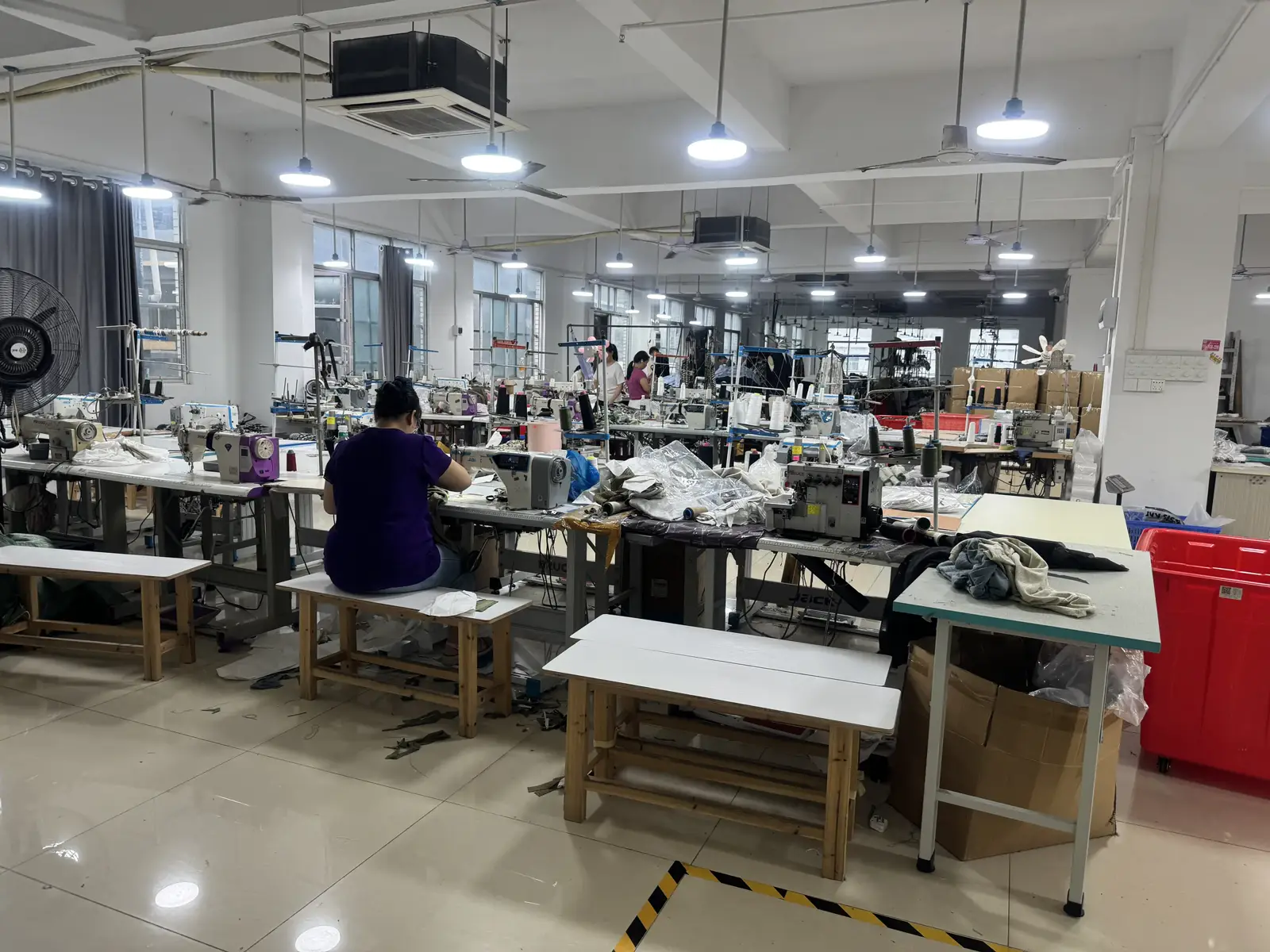
How to Start an OEM or ODM Project in 5 Steps
Start an OEM or ODM project with these five steps. Nothing you tick here is saved or sent.
Say who makes the design: you, the factory or nobody new. List the changes, quantity and market. Then use that brief to find a factory for your model.
Gather one version of the spec: sizes, materials, functions, colors and packaging. Mark every open question and who will decide it.
Write down who owns the design and the mold, where the mold sits, and what happens if you move factories. Get legal advice for anything you plan to enforce.
Compare the sample with your spec and note every gap. Approve one version in writing. Keep it as the reference for bulk production.
Decide what gets checked, when, by whom, and what happens if the goods fail. Tie the balance payment to that result.
0 of 5 review topics marked. These are local notes, not a supplier approval or payment instruction.
Questions About OEM and ODM
What does OEM stand for in the business context?
OEM stands for original equipment manufacturer. In sourcing, it means a factory that makes a product to the buyer’s design and spec. The buyer sells it under its own brand. Ask who supplies the design, buys the materials and pays for the molds. The label alone does not decide who owns the design.
Which is better, OEM or ODM?
Neither is better for everyone. ODM suits a first test: the design exists, so cost and lead time stay low. OEM suits a product you want to own and sell alone, if you can write a full spec. Compare the work, the fees and the design rights in each written offer.
Is ODM cheaper than OEM?
Often, but not always. ODM can skip new molds and design work, so start-up costs are usually lower. Each change you request can add cost and its own minimum order, though. Compare quotes for the same spec, and list setup costs apart from the unit price.
What is the meaning of OEM company?
An OEM company is a manufacturer that makes products another business sells under its own brand. In this guide, that means a factory building to your design. Check that the company can make your exact item, and whether it hands any work to subcontractors. Review the model definitions →