
Which channel fits the order?
A ready-made item and a custom product need different channels. Pick the channel first, then compare offers. Who talks to the factory, and how will you pay?
To source products from China, write a clear spec, pick a channel, shortlist and check suppliers, agree the price and order size, test a sample, and inspect the goods before they ship. Each of the seven steps below has its own guide, written by the ASG team in Shenzhen and Dongguan.

A ready-made item and a custom product need different channels. Pick the channel first, then compare offers. Who talks to the factory, and how will you pay?
A factory, a trader and a fake can all post the same photos. Before you pay, match the company name, the maker and the bank account.
The unit price is one line. The MOQ, samples, packing, checks and freight all add cost. Compare quotes for the same spec, not the lowest number.
China sourcing is the work of finding a supplier in China, checking that the business and the goods are real, agreeing the order terms, and handing the goods to a shipper. It runs from your first enquiry to the day the cartons leave the factory.
Sourcing from China starts with one product. A small detail, such as the material, size, box or target market, can change the type of supplier you need.
There are three main ways to find suppliers: online marketplaces and wholesale sites, direct contact with a factory, and a physical market or local agent. Each is only a starting point. Every lead still has to trace back to a real company, a real product and clear terms.
The goal is a buying process you can repeat, not a one-off hunt for the cheapest listing. Keep the spec, the quotes, the sample decision and the inspection plan in one folder.
Follow the seven sourcing steps in order for a new product, or jump to the task you need.
Write down the material, size, finish, packing and use before you ask for prices. Mark which details must match and which are open, so every supplier quotes the same job.
Find the task for this step →Match the channel to the order: ready-made or custom, a small test or a full run, and the payment and support you can handle. Keep the brief fixed while you compare. A channel helps you find suppliers; it does not prove quality.
Find the task for this step →Build a shortlist of companies that can answer the same brief. Note who they are, what they say they make and what proof they can show. A product listing is a claim, not a proven skill.
Find the task for this step →Match the seller’s legal name, its role as maker or trader, its proof of production and the bank account it wants you to pay. Sort out any mismatch before you pay. A marketplace badge does not replace these checks.
Find the task for this step →Compare quantity, material, packing, what is included and the payment stages on the same terms. Ask what drives the minimum order and what changes at a different quantity. Write down the new terms, so a lower price does not quietly change the product.
Find the task for this step →Check the sample against your written spec and note what you approved. Tie the order to the spec, quantity, payment stages and agreed checks. Know how you can dispute a payment before you send money.
Find the task for this step →Agree what gets checked, how results are logged and who decides on faults before dispatch. Match the goods, packing, count and shipping papers to the order. Hand over only when every open issue has an owner.
Find the task for this step →Pick one China sourcing task, make one useful record, then move to the next decision.
Find the channel and the companies that fit your product.
Build a supplier shortlist around one product brief, note the company behind each listing and pick who gets a closer look.
how to find suppliersCompare sourcing channels by product, order size and the help you need, before you compare prices.
China wholesale websitesPlan a market visit: what to bring, which product details to write down, and what to check after a chat at a booth.
Yiwu marketSee how the two sites differ on language, payment, order handling and export help, then pick the one you can manage.
1688Tell a retail purchase apart from a supplier order. Pick the route that fits your quantity, custom needs and follow-up.
Alibaba vs AliExpressLink your product needs, the supplier’s proof and the written terms.
Check the company behind a listing before you pay: its identity, proof of production, sample and payment account.
is Alibaba legitWork out which parts of the product are already designed and which need new work, then agree the scope and spec.
ODM vs OEMTurn your product and brand needs into a brief a supplier can quote, and note what needs a sample and written sign-off.
private label supplierFind out what drives a minimum order and what can change it, and weigh quantity, spec and cost together.
minimum order quantityTurn the quote, the order and the quality plan into records you can use.
Send one request for quotation to every supplier, with the same spec, quantity and terms, so you can compare replies line by line.
RFQFollow the path from enquiry and quote to sample approval and order, with the spec, payment stages and messages linked.
how to buy from AlibabaDecide what to check before shipment, how to log results and who handles faults, tied to the approved sample.
quality inspectionChoose a sourcing channel by the work your order needs. Quantity, custom work, language, payment and the export handoff decide which route makes sense. A famous platform name does not make two quotes comparable, and buying straight from a factory still needs checks.
| Channel | Best for | Customisation | What to do |
|---|---|---|---|
| B2B platforms | Buyers comparing supplier offers. | Ask what the supplier can really make. | A listing starts the talk; check the company and the order. |
| Domestic wholesale websites | Buyers with local help to buy and ship. | Depends on the product and supplier. | Sort out local shipping and the export handoff before you compare cost. |
| Retail direct purchase | Small buys of listed products. | Usually limited; ask first. | Check that it can handle repeat business orders. |
| Physical markets & agents | Buyers who need a local search or help. | Depends on the company behind the offer. | Write down the supplier and terms behind each sample. |
| Direct factory contact | Buyers with a clear product to make. | Depends on molds, process and quantity. | Check the factory can make your spec, and put the deal in writing. |
Before you pay a deposit, match three things: the legal company, the proof of who makes or sells the goods, and the name on the bank account. If any of them differ, ask why and ask for records. Check how you can dispute the payment, and know that a dispute process is not a promise of a refund. Keep the spec and the agreed terms with this proof.
Find the complete verification task →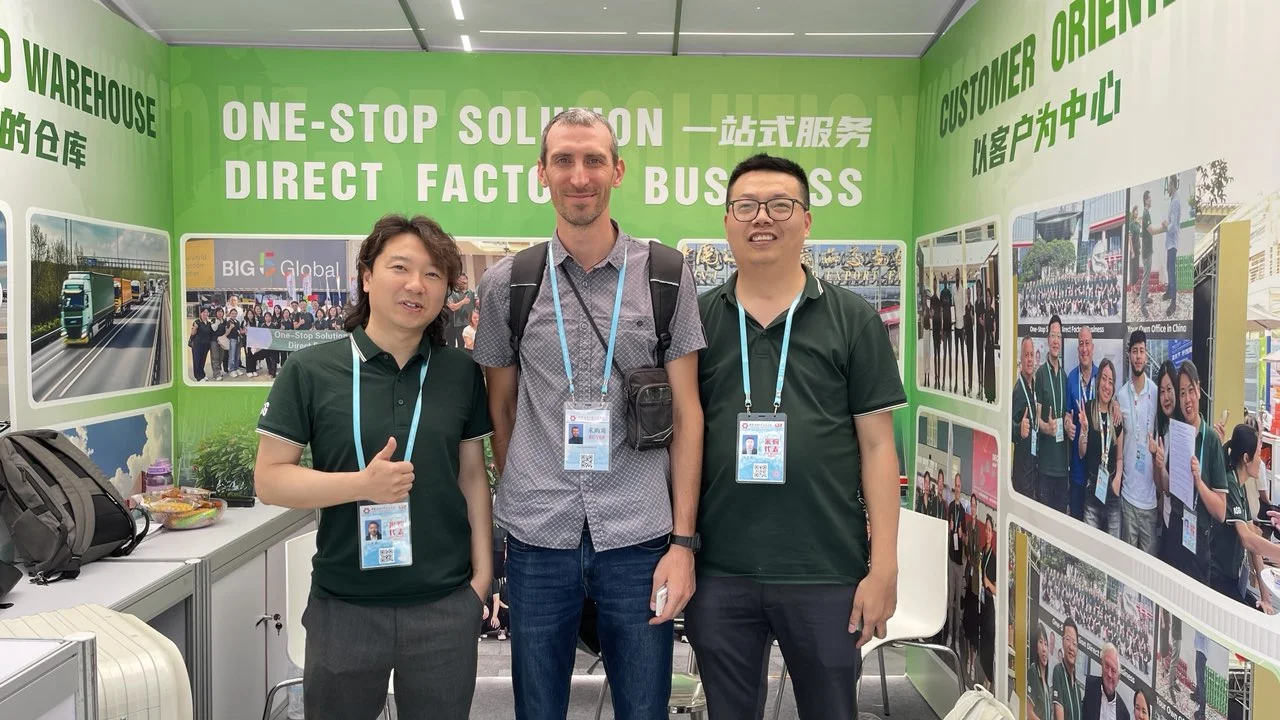
The cost of sourcing products from China is more than the unit price on the quote. The MOQ sets how much cash you commit before you sell a single unit. Samples, design work, packing, inspection and trucking inside China can be billed separately, included or left vague. Put every item on the same basis before you compare suppliers.
Freight, duty and customs fees belong in the total, even when someone else handles them. For each figure, note who gave it, what it covers, the currency and when it is due. If you have no real number yet, leave the line blank instead of guessing. The bar below shows the kinds of cost to plan for; its segment sizes are for teaching only, not a quote or a typical split.
| Cost item | Who supplies the figure | When payable | Included in unit price? |
|---|---|---|---|
| Product quantity & unit price | Supplier | At the agreed order stages. | Sets the goods price; a bigger MOQ ties up more cash. |
| Samples & development | Supplier or design partner | Before sample or design work. | Often billed on its own; ask if it is credited to the order. |
| Packaging | Supplier or packaging maker | As agreed in the quote. | Only if the quote says so. |
| Inspection | Inspection company or agreed team | When the inspection is booked. | Don’t assume; confirm the scope and the report. |
| Domestic movement | Supplier or local trucker | At the agreed pickup or handoff. | Depends on the trade term and named place. |
| International freight | Carrier or freight forwarder | As set in the shipping deal. | Ask what the freight quote covers and leaves out. |
| Duties & clearance | Customs and your customs broker | During the import process. | Depends on the country, the goods and who does what. |
Most sourcing problems start as a question left open before money or goods move. Pause and ask for an explanation if the bank account changes, the company name changes, or the sample no longer matches the spec. Keep the first spec, the messages and the approvals, so you can compare any change with what you agreed. A good sample proves that sample only; the bulk order still needs its own checks.
Find the relevant checks and responses →
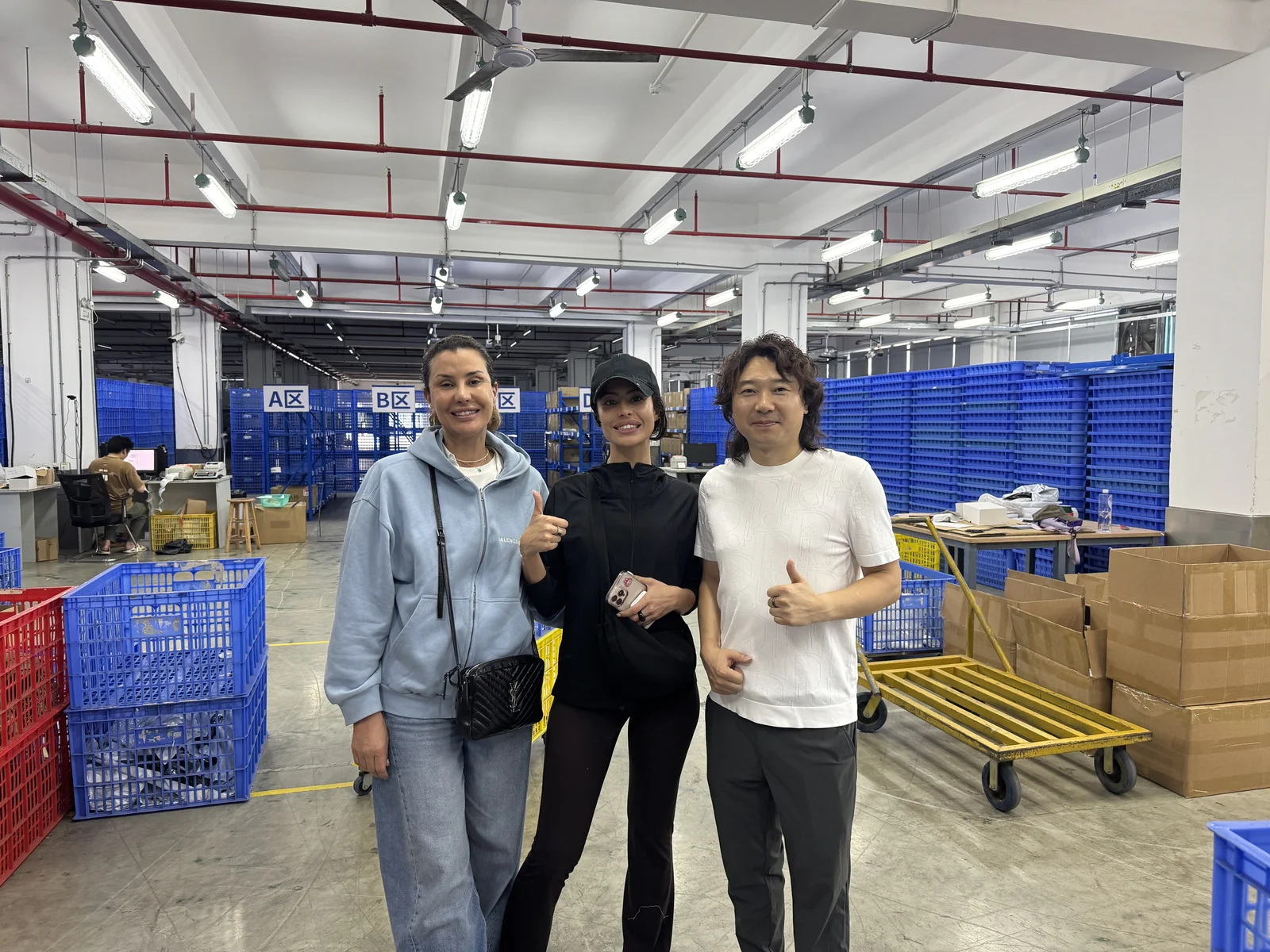
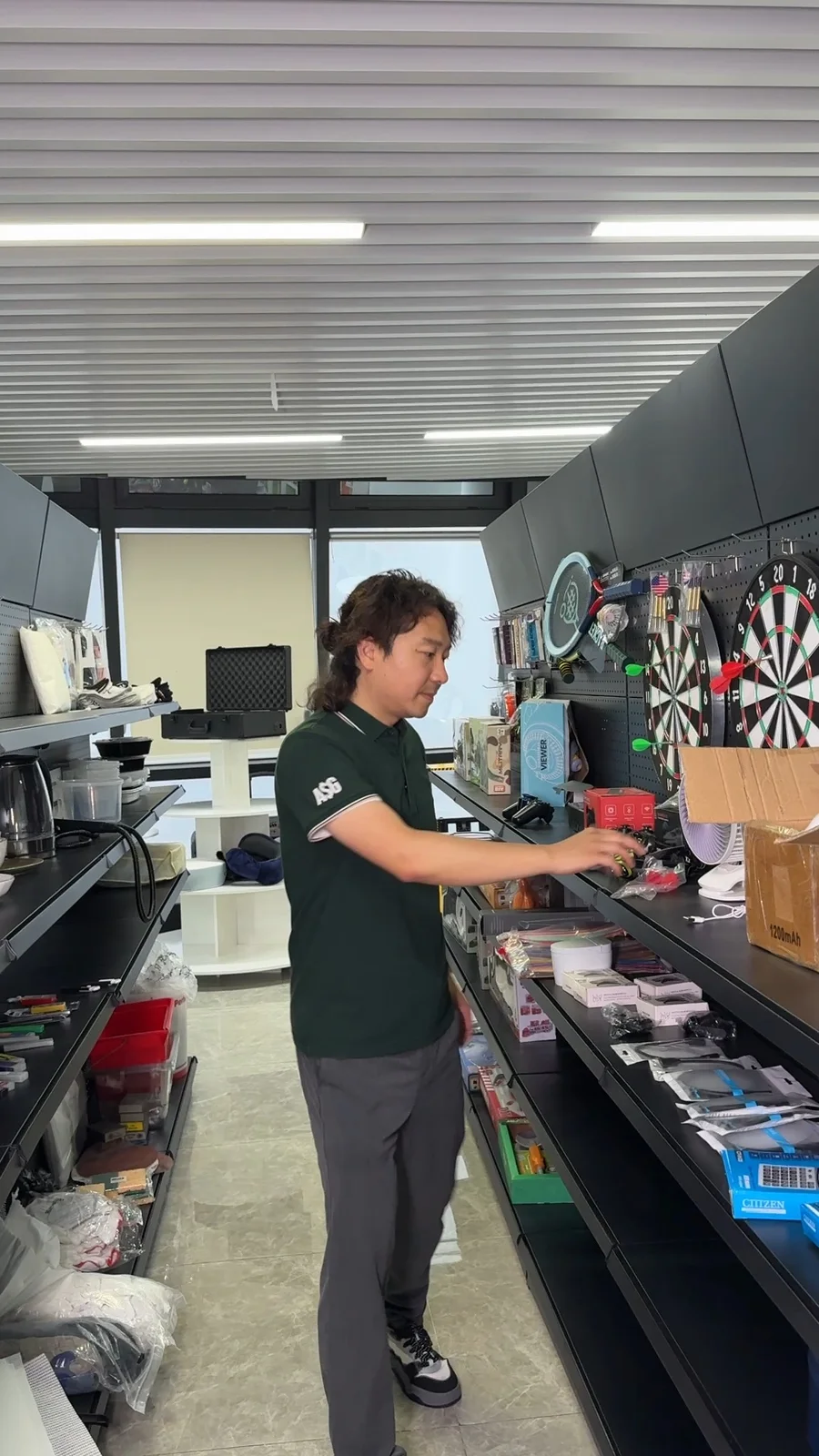
ASG sourcing work connects product briefs, supplier comparison, sample review and dispatch coordination. The lesson we teach: carry one written spec through supplier choice, sample review, production and the shipping handoff.
ASG’s published quality control has four stages: Supplier Audit, Production Monitor, Warehouse Check and Pre-Dispatch. Each stage confirms that the work still matches the order. These facts come from ASG’s published sourcing and quality-control pages.
For you, the habit to build is this: at each point, keep the spec, the proof you saw and the decision you made.
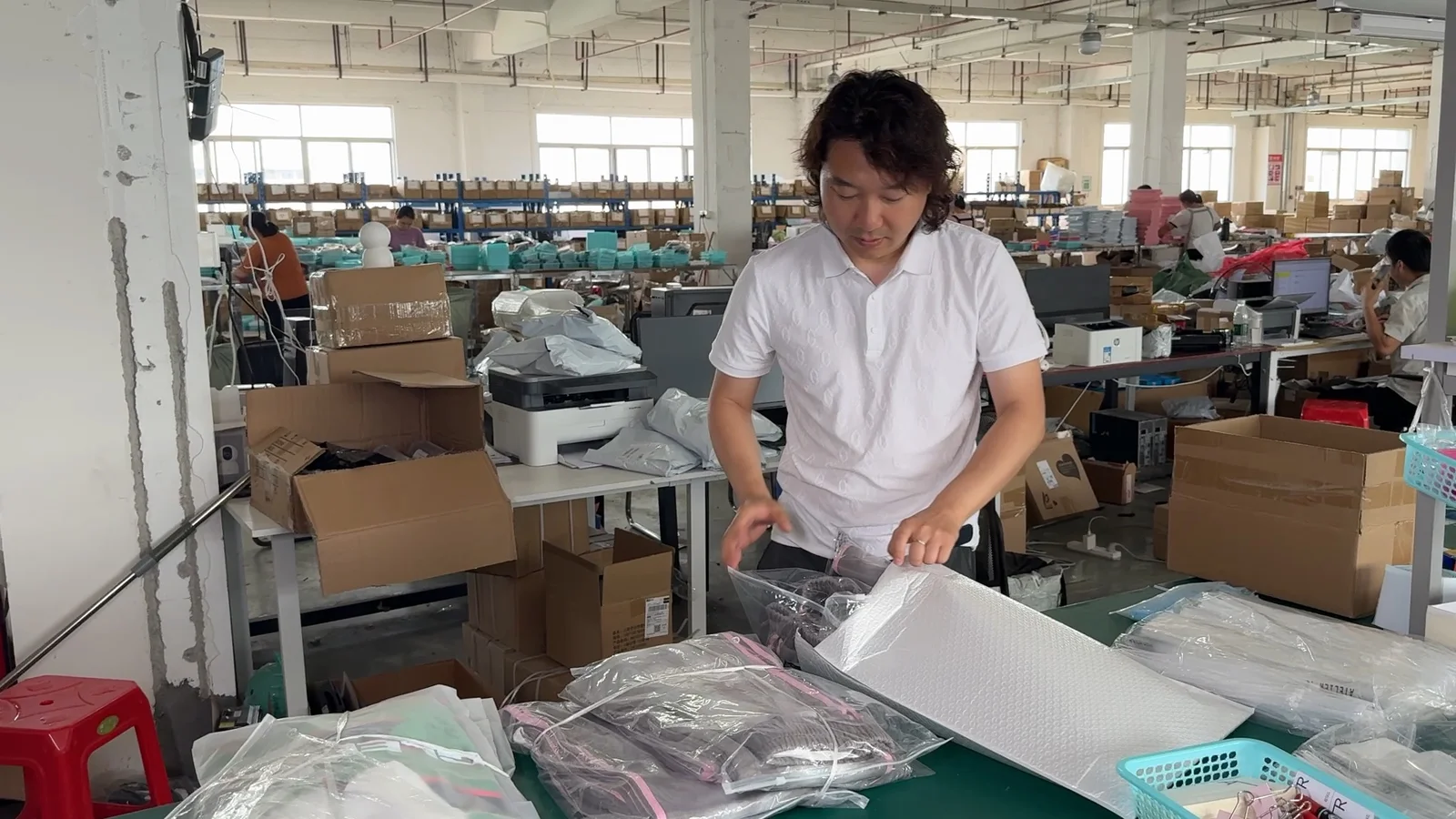
Example: a seller wants a fabric storage pouch they can reorder. The brief lists size, fabric, closure, stitching, packing and target market. A photo alone won’t tell three suppliers what to quote.
Each supplier gets the same brief and the same quantity question. Every reply is logged in the same fields, so a real price gap stands out from a quote that skips the box, a process or an open spec.
One reply leaves packing unclear. Another offers a different fabric. The seller gets answers before picking a price, based on matching specs and company proof, not on one number.
The sample is checked against the written size and build. Any change the seller accepts is written down and shared, so the supplier and the inspector work from the same reference.
Both sides talk through what drives the MOQ. Then they write down the scope, quantity, payment stages and inspection plan, and the seller confirms the whole order before paying.
The goods and packing are checked against the agreed reference. Results are logged, each fault gets a clear decision, and a mismatch is fixed while there is still time.
The commercial invoice, packing list and pickup details are matched before the next provider takes the goods. This is a teaching example of a method, not a real customer order or a promised lead time.
Choose who does the sourcing work based on the gaps in your order. Doing it yourself takes time for research, messages and follow-up, and you make the buying calls. Local help adds language skills and coordination, but it needs a clear scope and a record of what was checked.
Before you hire an agent, agree who signs with the supplier, who receives your money, how fees are shown and who handles problems. Make sure you keep the spec, the quotes and the order records. Neither choice removes your product rules or import duties.
| DIY sourcing | With an agent | What to check |
|---|---|---|
| Time commitment You research, message and follow up. | The agent does the agreed tasks. | Which tasks and updates are included? |
| Language & local coordination You arrange the help you need. | Local help can be part of the scope. | Who confirms instructions and changes? |
| Verification capability You get and judge the proof. | Checks depend on the agreed service. | What proof will you receive? |
| Cost transparency You track quotes and payments. | Fees and order costs should be shown apart. | Who is paid, for what and when? |
| Order fit Depends on your time and product. | Depends on the agent’s scope. | Does this setup fit this order? |
Use once the product, quantity and terms are agreed. It ties your order to the spec, packing, inspection and payment stages.
purchase order templateUse before you ask for quotes or approve a sample. Record size, materials, build and tolerances so the supplier has a written reference.
tech pack templateUse when you plan a sampling inspection. Agree the standard, inspection level and limits with your inspector before you rely on the numbers.
AQL sampling tableBrowse every calculator, template and checklist in one place, sorted by the decision you face.
all sourcing tools and templatesBuying is not the same as importing. Once the goods are ready at the agreed factory or export point, someone still has to move them, confirm who does what under the trade term, and prepare for customs. Keep the commercial invoice, packing list and carton marks in line with the real goods. Confirm pickup details, counts and any open issues before the next provider takes the shipment.
how to import from China: shipping, duties and customs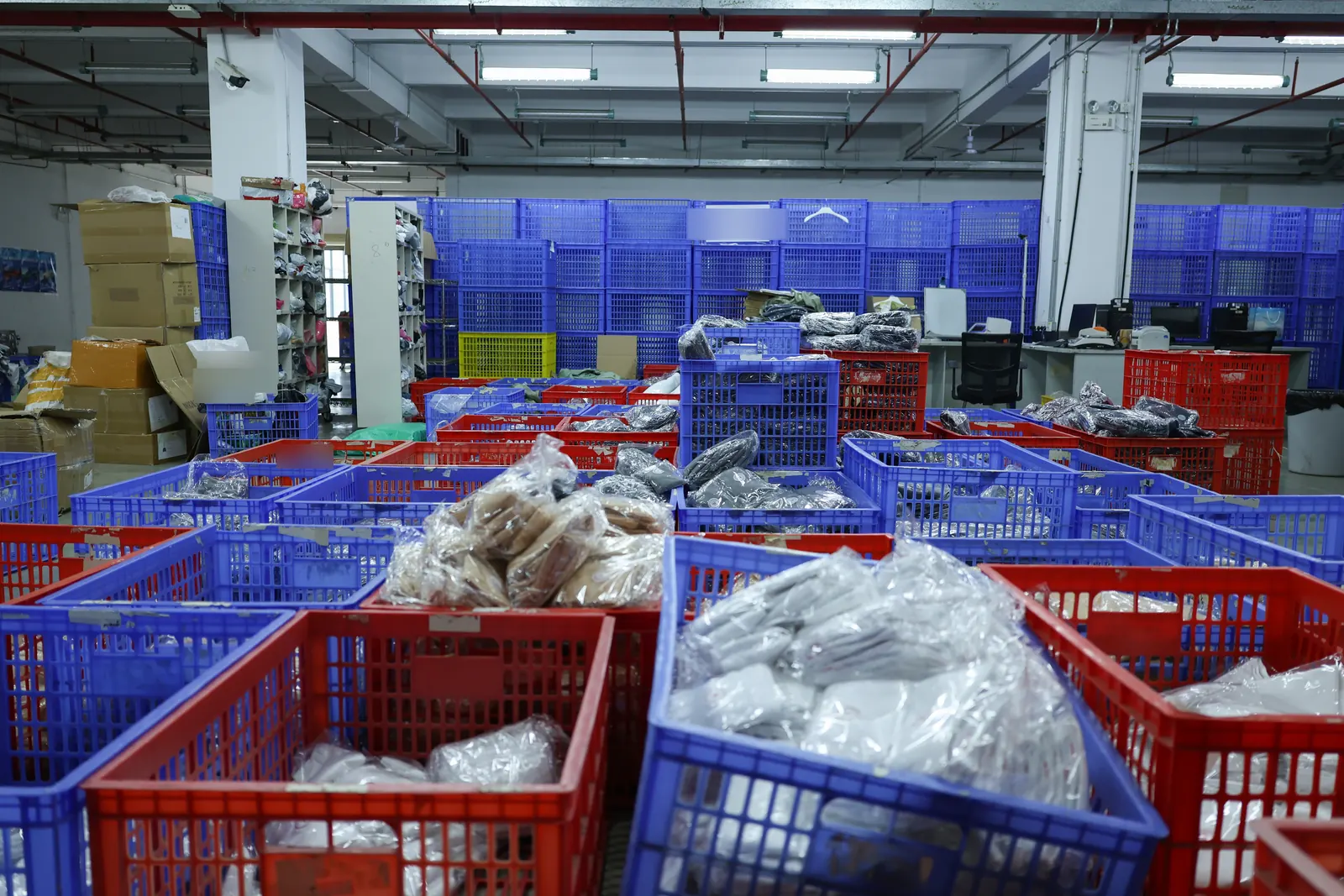
The China sourcing workflow in the course follows the same decisions as these guides: finding suppliers, checking proof, comparing quotes, approving samples, planning checks and preparing the shipping handoff.
ASG Academy course6 stages
22 lessons
The China Side Playbook follows six stages and 22 lessons, from the purchase brief to the next-order decision. Lessons release in order, starting with P01.
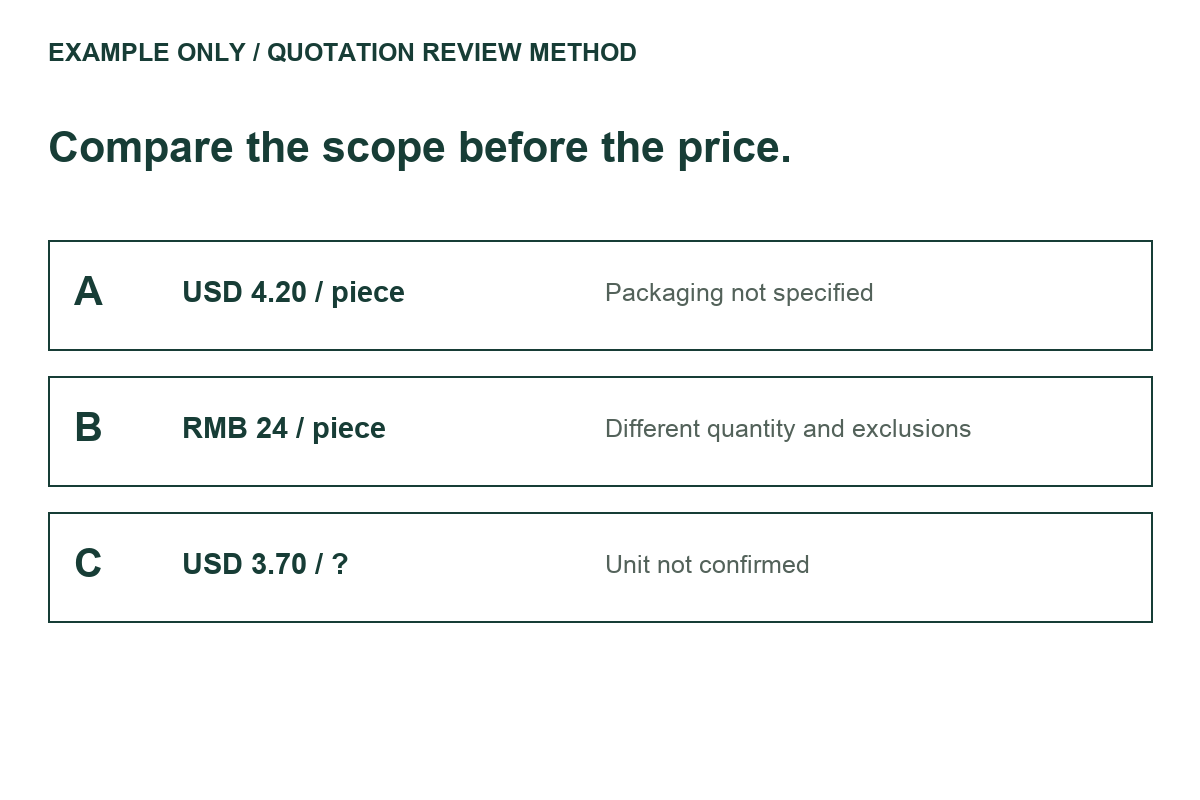
Source products from China in seven steps: write a spec, pick a channel, shortlist suppliers, check them, agree price and MOQ, test a sample, and inspect before dispatch. Compare quotes on the same spec.
Back to the sourcing tasks →You buy directly by agreeing the product, quantity, payment and shipping terms with the company that supplies the goods. Direct contact still needs checks, written terms and a sample or inspection decision. It does not remove the freight and customs steps.
Back to the sourcing tasks →There is no single top-ten list; rankings change by country, year and measure. Common categories include electronics, apparel, household goods and accessories. For your product, check demand, the spec, market rules and the full import cost before you choose a supplier.
Send a short product brief that covers the spec, use, quantity, packing and the answers you need back. Ask every supplier to fill in the same fields and to flag anything they can’t confirm. Clear requests get clearer replies, but no factory has to accept your order.
Back to the sourcing tasks →Turn your next supplier conversation into a decision you can write down. Start with the free first lesson, or pick one sourcing task.