
When the MOQ Is Higher Than Your Budget
The first order needs more cash than you have
The MOQ is more than your budget or your sales can carry. Before you say yes, find out what the minimum counts and what it will cost in total.
Every color has its own minimum
For example, a 500-piece MOQ per color turns five colors into 2,500 pieces. Ask for the rules per variant in writing before you plan your range.
A lower MOQ came with a different product
To make a small run work, a factory may swap material or packaging. Ask what changed, and check a new sample before you pay.
What Does Minimum Order Quantity (MOQ) Mean?
Minimum order quantity (MOQ) is the smallest order a supplier will accept at its quoted price. The MOQ meaning depends on how it is counted. It can be a number of units, a minimum order value, or a minimum per color, size or style.
First, find out what the MOQ applies to. It may cover finished goods, a raw material purchase or a packaging print run. Often more than one applies at the same time. For example, a product MOQ of 300 and a printed-box MOQ of 1,000 mean you need to plan for both.
Next, separate a minimum from an order multiple. An order multiple is the step size you must order in, such as full cartons of 24. A supplier can set both a minimum and a multiple. Your order has to meet every rule at once.
Last, ask whether the MOQ for a first order differs from later orders. Some suppliers accept a smaller trial if you share a reorder plan. Keep a forecast separate from a firm promise to buy.
Why Suppliers Set a Minimum Order Quantity
Suppliers set a minimum order quantity because some costs don’t shrink with a smaller order. Three costs drive most MOQs. Raw material often has its own minimum: a fabric mill may sell one color only by the roll. Machine setup, such as a mold change or a new print plate, costs the same for 100 pieces or 10,000. And printed packaging has a print-run minimum of its own.
Ask the supplier which of these drives its number. Then ask what could change. Stock material, fewer colors or plain packaging may lower the minimum. Each change needs a written reply and, often, a new sample.
Also check how the MOQ is counted. A minimum order value is about spend. A minimum per color or style is about each variant. Some suppliers use both.
A minimum purchase from the mill or parts maker.
Mold changes, print plates and line setup.
A minimum print run for labels, boxes and cartons.
| Type of minimum | What usually drives it | Question to ask |
|---|---|---|
| Material or parts minimum | The mill or parts maker’s own minimum | Can you use a material already in stock? |
| Production setup | Mold change, print plate or line setup | Can I pay the setup fee and order fewer units? |
| Packaging print run | Printing plates and a minimum sheet count | Can we use plain or stock packaging for the first order? |
| Per color, size or style | Each variant needs its own material or setup | Which colors or sizes can share one run? |
| Order value or carton multiple | A spend threshold or full-carton packing | Which items count, and in what steps? |
How to Negotiate a Lower MOQ
To negotiate a lower MOQ, ask what drives the minimum, then offer a trade that solves that cost. Start with your trial quantity and the exact product version. A supplier can still say no, and no tactic guarantees a set discount.
Four trades work most often. Offer a higher unit price for a smaller run. Cut or combine colors and sizes, so they share one material and setup. Use stock material or plain packaging for the first order. Or order a trial now and share an honest reorder plan.
Each trade has a cost. A higher price eats margin. Fewer colors mean a smaller range. Stock material can change how the product looks or performs, so approve a new sample. And never promise volume you can’t buy.
| Method | Tradeoff | When it works |
|---|---|---|
| Pay a higher unit price | Lower margin, or a separate setup fee | The supplier can run a small batch on the same line |
| Combine colors or sizes | A smaller range at launch | The variants share one material and setup |
| Use stock material or packaging | Different look, feel or branding | A new sample meets your spec |
| Trial order plus reorder plan | No locked-in future price | You share an honest forecast, clearly marked as one |
| Split delivery of one run | You may still pay for the full run | The supplier will store and release goods in stages |
How MOQ Changes Your Unit Price and Cash Tied Up
Example · USD · Not a real quoteA higher MOQ lowers your unit price but ties up more cash. The example below uses three made-up price tiers and a fixed $600 for freight and handling. Goods cost is quantity times unit price. Cost per unit adds the $600, then divides by the quantity.
In this example, the unit price falls from $3.20 to $2.40. But the cash tied up in goods rises from $1,600 to $7,200. With the $600 added, cost per unit drops from $4.40 to $2.60. The example leaves out duty, inspection, storage and unsold stock, which can change the answer.
MOQ is the supplier’s rule. EOQ (economic order quantity) is an inventory formula that balances ordering costs against holding costs. Run your real numbers through how MOQ changes landed cost.
| Quantity | Unit price | Goods cost | Fixed cost | Total cash | Cost per unit |
|---|---|---|---|---|---|
| 500 | $3.20 | $1,600.00 | $600.00 | $2,200.00 | $4.40 |
| 1,000 | $2.80 | $2,800.00 | $600.00 | $3,400.00 | $3.40 |
| 3,000 | $2.40 | $7,200.00 | $600.00 | $7,800.00 | $2.60 |
Goods cost = quantity × unit price
Cost per unit = (goods cost + $600) ÷ quantity
The unit price goes down. The cash you tie up goes up.When a Very Low MOQ Is a Warning Sign
A very low MOQ is a warning sign when it doesn’t match how the product is made. It does not prove a scam. But it often means the goods come from leftover stock, a reseller or a different production run. Ask where the goods come from and who makes them.
Three cases are common. Stock resale: the item exists already, so you can’t change it, and it may not be made again. A trading company markup: a middleman buys from the factory and adds a margin. That can be fine, if you know it. Unstable quality: a small run squeezed between big orders may get less care.
So compare the sample with your spec, ask whether repeat orders will match, and check a supplier before you order.
How MOQ Talks Usually Go with Factories in China
At ASG, MOQ talks with factories in China usually start with one question: what drives this minimum? Our sourcing process begins with a product brief, then factory options and a sample comparison. Knowing the driver tells us which trade to offer.
Three trades come up most often. We split a color range, so the first order covers fewer colors. We ask whether the product can share a material the factory already stocks. And we propose a trial run, with a clear note on what a reorder could look like. For packaging, a stock box or a plain box with a printed label can avoid a print-run minimum.
None of this guarantees a low or zero MOQ on every custom item. ASG coordinates supplier communication, order checks and shipping handoffs from warehouses in Shenzhen and Dongguan.

Match Your MOQ to Your Reorder Plan
Your MOQ should match your reorder plan, not just your budget. Compare the order size with your sales rate, current stock and how long a reorder takes to arrive. A big MOQ can lower your unit price, but it can also leave cash sitting in slow stock for months.
A reorder point tells you when to order again: daily sales times lead time in days, plus safety stock. Use the reorder point formula to set yours. If one MOQ covers far more than your sales until the next reorder, negotiate it down or start with fewer variants.
You can estimate your lead time from production time plus transit time. Then check it against your real orders.
Low MOQ for Clothing and Small-Batch Products
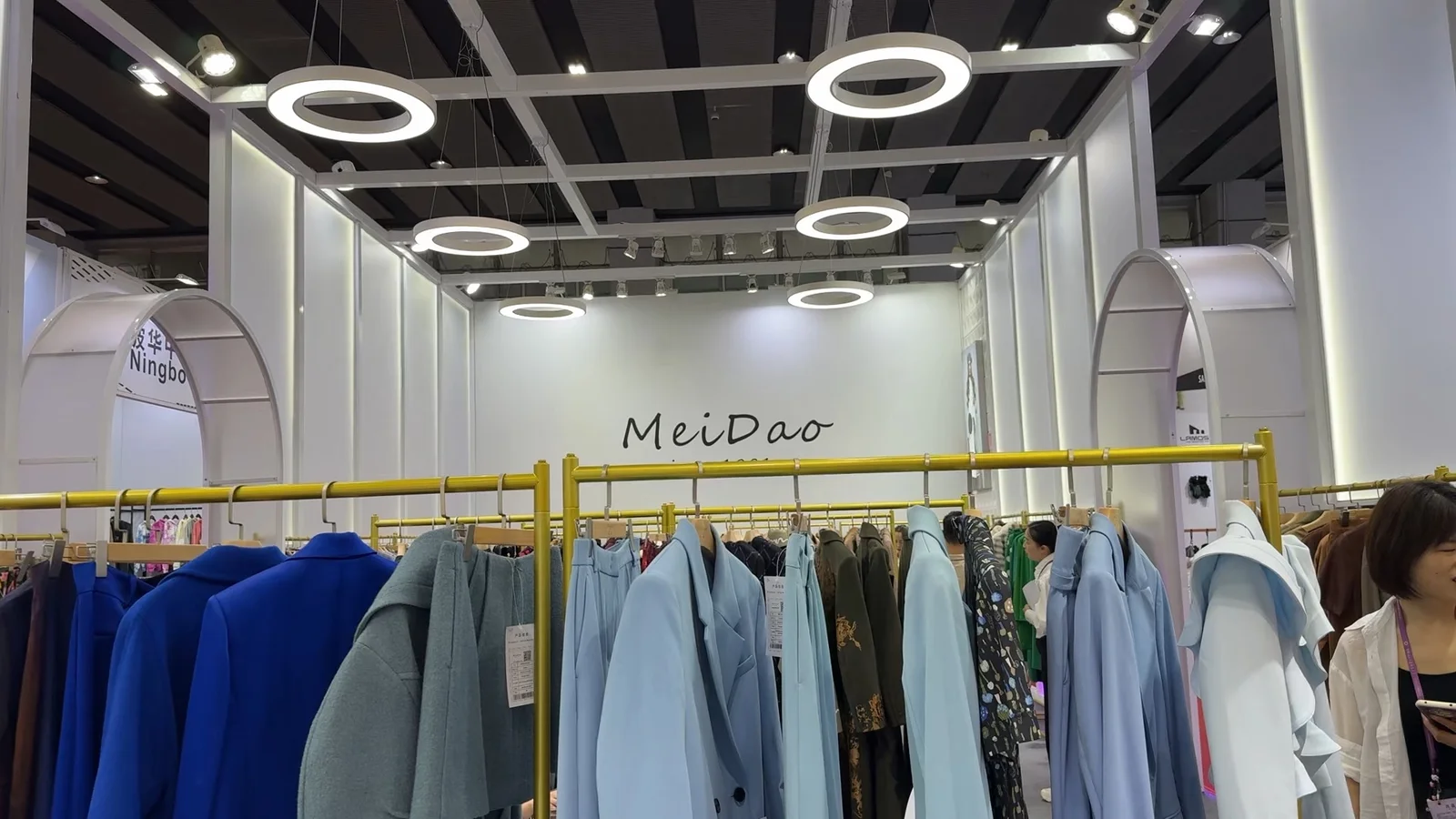
Clothing MOQs are usually set per style and per color, because each color needs its own fabric dye run. Ask whether sizes in one color can share the run. Ask whether a stock fabric would lower the minimum. Printing your design on existing blank garments is a different job from cut-and-sew with custom fabric, and it usually has a much lower minimum. Print-on-demand goes lower still, at a higher unit price. Keep the fabric and trim references, the size breakdown and the sample version with each quote.
Printful: an example of a print-on-demand clothing model →
How to Agree an MOQ in 5 Steps
Agree an MOQ in these five steps. Tick each one as you go.
Is it per order, per product, per color, per size or by order value? Ask if colors and sizes can be combined, and if cartons come in set multiples.
Multiply quantity by unit price to get the cash tied up in goods. Add freight and other known costs. Then divide by the quantity to get your cost per unit.
Ask what drives the minimum, then offer one change: a higher price, fewer colors, stock materials or a trial order. Get the new offer in writing.
Record the product version, quantity per variant, price and MOQ terms. Then put the agreed MOQ into your purchase order. Note any trial or repeat-order promise on its own line.
Compare sales, stock left and real costs with your plan. Use those facts to set the next order size, not the supplier’s forecast.
0 of 5 review topics marked. These are local notes, not a supplier approval or payment instruction.
Questions About Minimum Order Quantity
What is the difference between MOQ and EOQ?
MOQ is the smallest order a supplier will accept. EOQ, or economic order quantity, is the order size that keeps your ordering and storage costs lowest. MOQ is the supplier’s rule. EOQ is your own planning number. If your EOQ is below the MOQ, negotiate the MOQ or accept extra stock.
What is moq and SKU?
MOQ means minimum order quantity, the smallest order a supplier accepts. SKU means stock keeping unit, the code you use to track each product variant. Each color or size usually has its own SKU. Suppliers often set an MOQ per SKU, so more variants mean a bigger total order.
How to calculate minimum quantity?
You don’t calculate a supplier’s MOQ; you ask for it. Ask the minimum per product and per variant, and the carton multiple. Then build an order that meets every rule. Work out the cash tied up and the cost per unit, and compare that with your sales plan.
What is a good moq?
A good MOQ is one you can sell through before you need to reorder, at a cost you can carry. There is no single right number. Compare the MOQ with your monthly sales and your cash. A lower unit price is not worth months of unsold stock.
What is considered a low moq?
Low is relative to how the product is made. A stock item can often be bought by the carton. A custom item with a new mold or a printed box carries setup costs, so its “low” MOQ is much higher. Ask what the minimum covers before you compare suppliers.
What does “200 MOQ” mean?
It means the supplier’s minimum order is 200 units, but check what a unit is. It may be 200 pieces, 200 packs or 200 per color. Ask whether colors and sizes can be combined, and whether packaging has its own minimum. See how MOQ is counted →